
Echeveria rosea
Echeveria rosea Lindl.
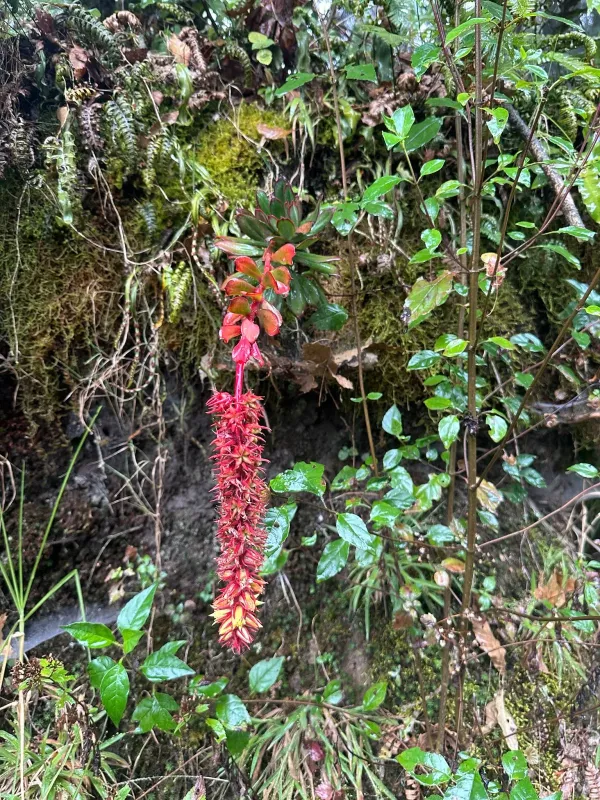
Description
Growing requirements
Echeveria rosea Lindl. is a perennial succulent species belonging to the Crassulaceae family. Native to the mountainous regions of Mexico, this plant has evolved to survive in arid, rocky habitats with high levels of direct solar radiation and significant daily temperature fluctuations.
The culture requires bright, indirect light for healthy development; insufficient light causes the rosettes to etiolate and lose their characteristic compact shape. During the growing season, temperatures should range between 20 to 25 degrees Celsius, while a cooler rest period at 10 to 15 degrees Celsius is necessary for long-term vitality.
Soil requirements focus on drainage and aeration. A substrate consisting of sandy loam mixed with perlite or pumice is optimal. The medium must be well-draining, as the plant is highly susceptible to root decay if the substrate retains excessive moisture for extended periods.
Watering practices are critical: the substrate must be allowed to dry out completely before the next irrigation cycle. In winter, watering should be drastically reduced to mimic the plant's natural dormant cycle, which helps prevent physiological stress and fungal growth.
Regarding commercial use, Echeveria rosea is highly valued in the nursery industry and interior design. Its ability to tolerate indoor conditions and its ornamental foliage make it a popular product for retail distribution and professional landscaping in frost-free climates.
Main diseases and pests
The primary threats to this culture are fungal and bacterial infections caused by overwatering. Root rot is the most common pathology, often resulting from stagnant water in the root zone combined with high humidity levels and poor ventilation.
Mealybugs are the most prevalent insect pests, often colonizing the tight spaces between leaves. Aphids and spider mites may also appear if the plant is kept in dry, stagnant air conditions without adequate movement of fresh air around the foliage.
Disease prevention is based on cultural practices: providing excellent drainage, avoiding overhead watering that traps moisture in the rosette center, and maintaining moderate humidity levels. Regular inspection is required to catch infestations early when they are easier to manage.
Treatment for mealybugs involves the application of appropriate contact or systemic insecticides. For severe cases of rot, it is necessary to excise the infected parts, sterilize the area, and repot the plant in fresh, sterile soil to salvage the specimen.
Cultural management should include top-dressing with gravel or coarse sand to keep the leaves and stem base away from wet soil. This simple physical barrier is an effective tool in reducing the incidence of rot in commercial and hobbyist collections alike.