
Echeveria pulidonis
Echeveria pulidonis E. Walther
Description
Growing requirements
Echeveria pulidonis is a perennial succulent plant belonging to the Crassulaceae family. Originally native to the mountainous regions of Mexico, this species has become a staple in succulent horticulture due to its unique appearance and resilience in arid conditions.
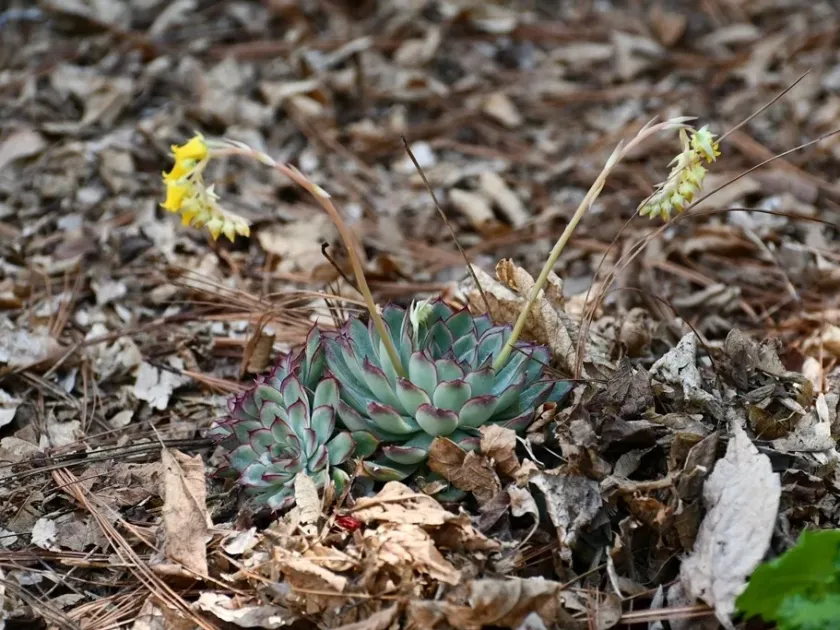
The plant features tight, symmetrical rosettes of glaucous-green, fleshy leaves with distinct reddish-brown margins. When exposed to high light intensity, these margins intensify in color, which is a key aesthetic indicator of plant health and proper environmental conditions.
Successful cultivation requires a well-draining, gritty soil substrate to mimic the rocky terrain of its natural habitat. A standard mix for succulents, incorporating pumice, perlite, and coarse sand, is essential to prevent moisture accumulation around the basal tissues of the plant.
Watering protocols should follow a "soak and dry" method, where the soil is allowed to dry out completely before the next irrigation cycle. During the dormant winter season, watering should be significantly reduced to prevent root rot, ensuring the plant stays in a cool, bright environment.
The primary economic use of Echeveria pulidonis is ornamental, where it serves as a popular choice for xeriscaping, container gardening, and indoor plant arrangements. Its slow growth habit and architectural form make it a highly desirable subject for both professional landscapers and hobbyist collectors.
Main diseases and pests
The most significant threat to the health of Echeveria pulidonis is root rot caused by fungal pathogens in overwatered or compacted soil. Maintaining proper aeration and avoiding water stagnation in the center of the rosette are the primary preventive agricultural measures.
Common pests include mealybugs and spider mites, which can infest the leaf axils and surfaces, causing tissue damage and secondary infections. Effective control involves regular inspection and the application of appropriate contact or systemic insecticides upon the appearance of initial symptoms.