
Echeveria penduliflora
Echeveria penduliflora
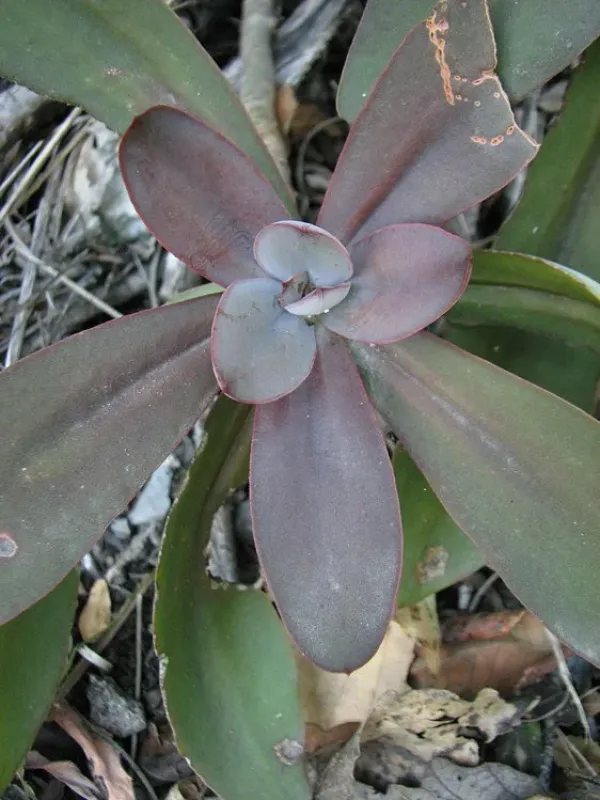
Description
Growing requirements
Echeveria penduliflora is a perennial succulent species belonging to the Crassulaceae family. Native to the mountainous terrains of Mexico, this plant has evolved to survive in nutrient-poor, rocky substrates by storing water in its succulent foliage.
The plant is defined by its dense, rosette-shaped structure and characteristic pendulous flowers that emerge on long, gracefully arching stalks. These aesthetic features make it a popular choice for rock gardens and modern botanical displays.
In terms of light, this species requires bright, direct sunlight to maintain its compact growth habit and natural coloration. Without sufficient light, the plant will become etiolated, resulting in elongated stems and a loss of its structural integrity.
Soil requirements are centered on excellent drainage. A specialized succulent mix, comprising organic material, coarse sand, and perlite, is essential for optimal root aeration. Poorly draining soil will lead to immediate stress and potential root death.
Watering should follow a strict 'soak and dry' method. During the active growth season, water deeply but infrequently, ensuring the substrate is completely dry before the next irrigation. In winter, watering should be drastically reduced to mimic the plant's dormant cycle.
Main diseases and pests
The most significant threat to Echeveria penduliflora is overwatering, which quickly causes root and stem rot. Excess moisture creates an ideal environment for pathogenic fungi, which can destroy the succulent's internal tissues rapidly.
Mealybugs are the most common pests, often hiding in the tight crevices between the leaves. They extract sap, leading to stunted growth and visible white, cotton-like secretions that detract from the plant's clean appearance.
Spider mites may also infest the plant, especially in low-humidity environments with stagnant air. These pests cause discoloration and fine webbing, requiring immediate action with appropriate insecticidal treatments or soap solutions.
Environmental stress, such as sudden temperature drops combined with wet soil, is a primary trigger for disease. Maintaining a stable, well-ventilated environment is the best preventative strategy against these common horticultural issues.
In case of severe infestation or rot, it is often best to propagate healthy leaf cuttings from the parent plant. This ensures the continuation of the species while disposing of the irreparably damaged individual to prevent further spread of pathogens.