
Echeveria peacockii
Echeveria peacockii Croucher ex T. Moore & Mast.
Description
Sowing dates
Propagation of Echeveria peacockii is most effectively achieved through leaf cuttings or offset division during the active growing season. This ensures that the new plant matures with the characteristics of the parent stock.
When starting from seeds, use a sterile, well-draining substrate rich in mineral components. Sow seeds shallowly on the surface, as light is beneficial for their germination process in the early stages.
Consistent temperatures around 20-25 degrees Celsius are ideal for successful propagation. High humidity should be maintained initially, but it must be reduced as soon as the first seedlings appear to prevent damping-off.
Before planting cuttings, allow them to callous for a few days in a dry place. This critical step prevents pathogens from entering the cut tissue, ensuring a higher success rate in root development.
Once established, the young Echeveria should be gradually transitioned to a standard succulent care regimen. Avoid fertilizing freshly propagated plants until they have developed a robust root system.
Growing requirements
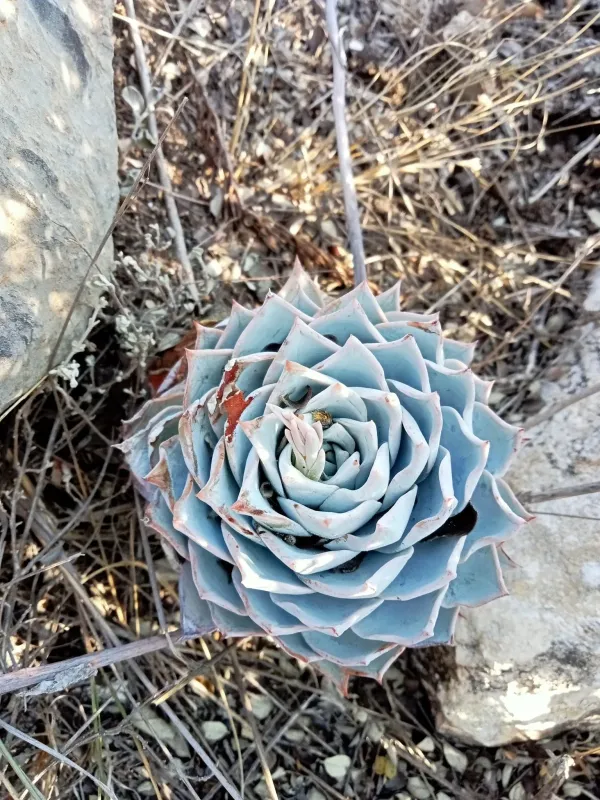
Echeveria peacockii, a member of the Crassulaceae family, originates from the rocky highlands of Mexico. It is renowned for its symmetrical, rosette-shaped structure and powdery, glaucous leaf surface.
This species requires high light levels to maintain its compact habit. While it thrives in direct sunlight, it may need protection from extreme scorching midday sun during the peak of summer in hotter climates.
A specialized potting mix for cacti and succulents is essential for cultivation. Ensure the substrate includes porous materials like perlite, pumice, or grit to facilitate rapid drainage and prevent water accumulation.
The watering schedule should follow the soak-and-dry method. During the winter dormancy period, the plant requires significantly less water to mirror its natural dry habitat and prevent root stress.
Temperature fluctuations are generally tolerated, but protection from frost is mandatory as this species is not cold-hardy. Proper ventilation is also crucial to mimic the breezy mountain conditions of its origin.
Main diseases and pests
Root rot is the most common threat, usually caused by overwatering or poor drainage. Once the roots and base of the rosette begin to decay, the plant is often difficult to salvage without emergency intervention.
Mealybugs are the primary pests that affect Echeveria peacockii. These insects hide between the dense leaves, sucking nutrients and weakening the plant, which often leads to stunted growth and secondary infections.
Aphids may occasionally attack the tender flower stalks during the blooming season. Regular inspection of the inflorescences is necessary to catch and treat these infestations before they spread to the main body.
Pest management should focus on early detection and the use of targeted treatments. Avoid heavy oils or harsh chemicals that can damage the delicate farina, the protective wax coating that gives the plant its color.
Keeping the environment clean and removing dead leaves from the base of the plant helps reduce the habitat for pests and fungal spores. Maintaining a dry, clean surface around the stem is a best practice for long-term health.