
Echeveria nuda
Echeveria nuda
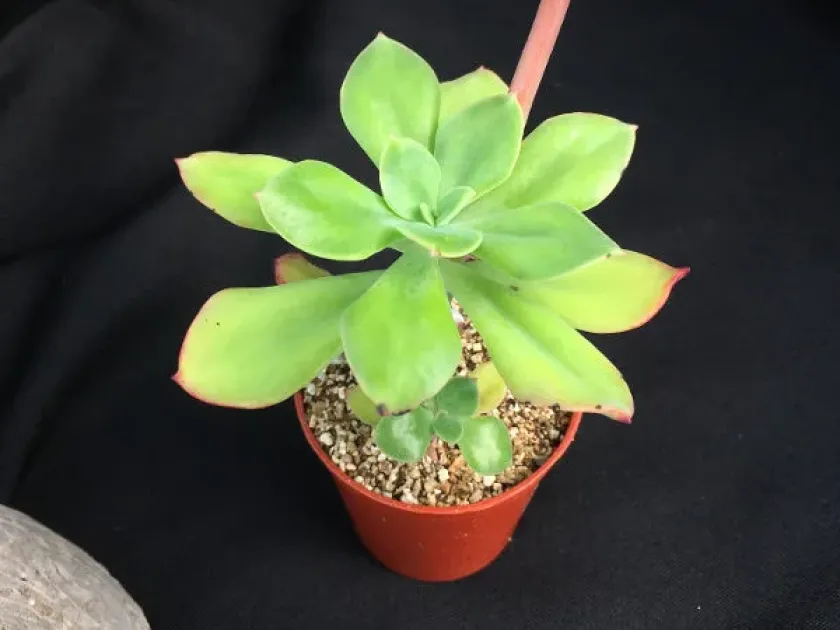
Description
Sowing dates
Propagation of Echeveria nuda is typically achieved through seeds or vegetative cuttings during the spring and summer months. Seed germination requires a sterile, sandy substrate.
Vegetative propagation using leaf cuttings or offsets is highly effective. Before planting, the cuttings must be allowed to callous for several days to prevent tissue rot.
Using offsets is the preferred method for commercial production as it results in faster development of a marketable plant with a characteristic rosette shape.
The optimal period for root development is between March and August when light intensity and temperatures are conducive to succulent growth.
In greenhouses, seed sowing is conducted in multi-cell trays under controlled temperature and humidity to ensure high success rates and uniform growth.
Growing requirements
Echeveria nuda belongs to the Crassulaceae family and is native to mountainous regions in Mexico. It requires well-draining, nutrient-poor soil mixes enriched with perlite or gravel.
The plant is highly photophilous and requires bright, indirect light. Insufficient light causes the plant to become leggy, significantly reducing its aesthetic value.
Watering should be sparse and only performed when the soil is completely dry. Overwatering is the most common cause of root rot in this species.
The ideal temperature range is 20–25 degrees Celsius during the growing season, while a cooler rest period of 10–12 degrees Celsius helps trigger blooming.
Good ventilation is crucial to prevent fungal infections, especially in humid environments, as stagnant air can lead to leaf spots and rot.
Main diseases and pests
The primary threats to Echeveria nuda are fungal diseases stemming from overwatering and poor soil drainage, leading to root and stem decay.
Mealybugs are the most persistent pests, often hiding deep within the succulent leaves, which makes detection and treatment difficult without regular inspection.
Spider mites may also attack the plant if the ambient air remains too dry and stagnant, causing small, discolored spots on the foliage surface.
Preventative measures include maintaining proper hygiene in the growing space and using systemic insecticides or fungicides at the first sign of an infestation.
Quarantine practices are strongly recommended for any new plants introduced to a collection to prevent the spread of hidden pests or infections.
Harvesting
Harvesting for Echeveria nuda refers to the selection process of plants that meet quality standards for commercial sale, focusing on compact rosette health.
High-quality specimens should exhibit tight foliage arrangement, vibrant color, and an absence of mechanical scars on the waxy leaf cuticle.
Plants are carefully removed from pots and packaged in protective materials to preserve the delicate farina, a powdery coating on the leaves.
Post-harvest conditioning includes a period of acclimatization to lower light levels to prepare the plants for retail environments or home interiors.
Quality control involves discarding any plants showing signs of etiolation, pest damage, or poor root development before shipping to distributors.