
Echeveria lutea
Echeveria lutea Rose
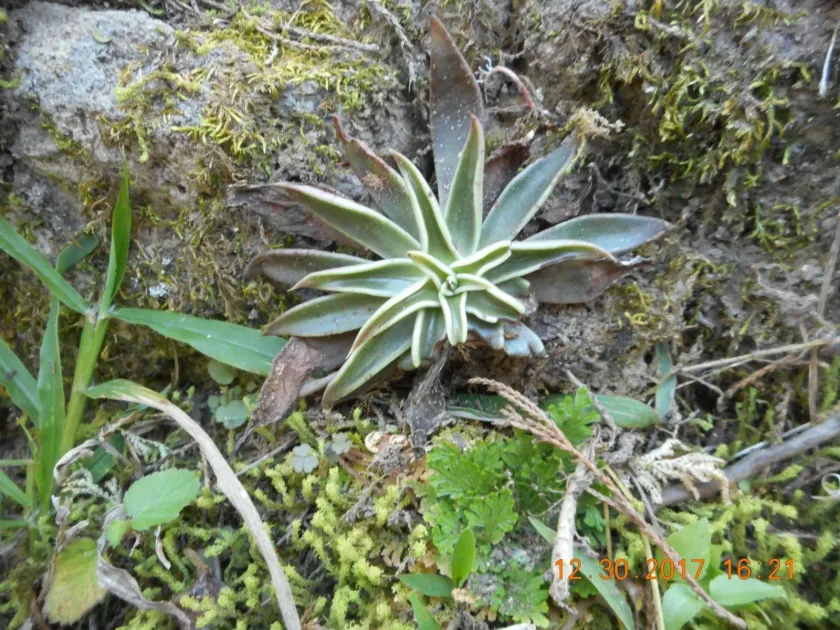
Description
Sowing dates
Propagation of Echeveria lutea from seeds is best performed during the spring months to benefit from increasing daylight hours.
The seeds should be sown on top of a well-draining, sandy soil mix, ensuring the medium remains slightly damp but never waterlogged.
Using a plastic cover or glass sheet over the seedling tray helps to maintain the necessary humidity levels for successful germination.
Once seedlings emerge, it is critical to provide adequate ventilation to prevent "damping off" caused by stagnant, moist air.
Gradual acclimatization to lower humidity is necessary before moving young plants to their permanent growing locations.
Growing requirements
Echeveria lutea, a member of the Crassulaceae family, originates from mountainous Mexican regions, adapting it to high-intensity light and rocky soils.
Cultivation requires a potting mix designed for succulents, characterized by high drainage capacity and very low organic matter content.
Sunlight exposure is essential for maintaining the plant's structural integrity, as insufficient light will cause etiolation and weak tissue growth.
The irrigation schedule must be strictly controlled, allowing the substrate to dry out completely between waterings to mimic natural drought conditions.
Temperature fluctuations are generally tolerated well, but protecting the plant from freezing conditions is necessary to ensure its long-term survival.
Main diseases and pests
The primary concern in managing Echeveria lutea is root rot, which typically stems from excessive watering and poor soil aeration.
Mealybugs are the most prevalent pest, often infesting the tight leaf rosettes where they feed on sap and damage the plant's health.
Fungal infections can manifest if moisture remains trapped between the leaves, requiring prompt removal of affected parts and improved ventilation.
Pest management relies on systemic insecticides or alcohol-based treatments applied directly to the infested zones while avoiding foliage stress.
Preventative care is the most effective approach, focusing on correct substrate choice, proper pot drainage, and vigilant monitoring of plant health.