
Echeveria laui x strictiflora
Echeveria laui Moran & J. Meyrán x Echeveria strictiflora A. Gray
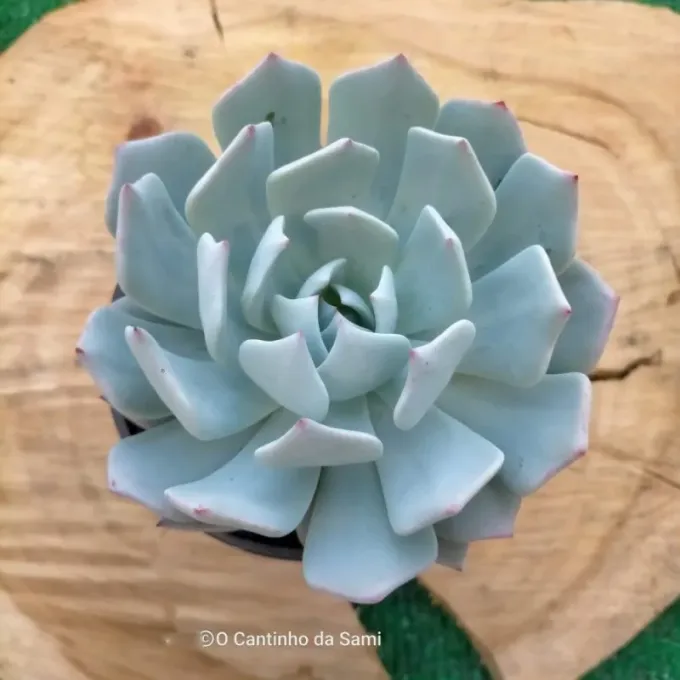
Description
Growing requirements
Echeveria laui x strictiflora is a hybrid succulent belonging to the Crassulaceae family. It inherits the distinctive powdery coating from E. laui and the robust growth habit of E. strictiflora, making it a highly desirable specimen.
The plant thrives in bright, indirect to direct light. Proper light exposure is essential to maintain the tight, compact rosette shape and the vibrant coloration of the leaves throughout the growing season.
A fast-draining, grit-heavy soil mix is critical. A standard composition includes pumice, coarse sand, and a small amount of peat or organic matter to ensure that water does not remain stagnant around the roots.
Temperatures should remain between 15°C and 25°C during the active growth period. During winter, it is crucial to keep the plant in a cooler, dry environment to mimic its natural dormancy period and promote health.
Watering requires a soak-and-dry method. Ensure that the soil is completely dry before the next watering session, and always use pots with adequate drainage holes to prevent the buildup of excess moisture.
Main diseases and pests
The most common threat is root rot caused by overwatering. This condition often results from a combination of poor drainage and low temperatures, leading to the rapid decay of the plant's vascular system.
Mealybugs are frequent pests that infest the crevices between leaves. Due to the delicate farina (waxy powder) on the surface, traditional oil-based sprays should be avoided as they can leave permanent marks.
Root mealybugs can also infest the underground parts, often remaining unnoticed until the plant shows signs of sudden decline. Soil drenching with appropriate systemic insecticides is often necessary for control.
Fungal infections can develop if the leaves are exposed to stagnant moisture or poor air circulation. Increasing airflow around the plant helps to reduce the humidity levels that these pathogens require.
Prevention involves regular inspections, proper hygiene of the growing area, and avoiding over-fertilization, as succulent growth should remain slow and compact rather than forced and lush.