
Echeveria hyalina
Echeveria hyalina
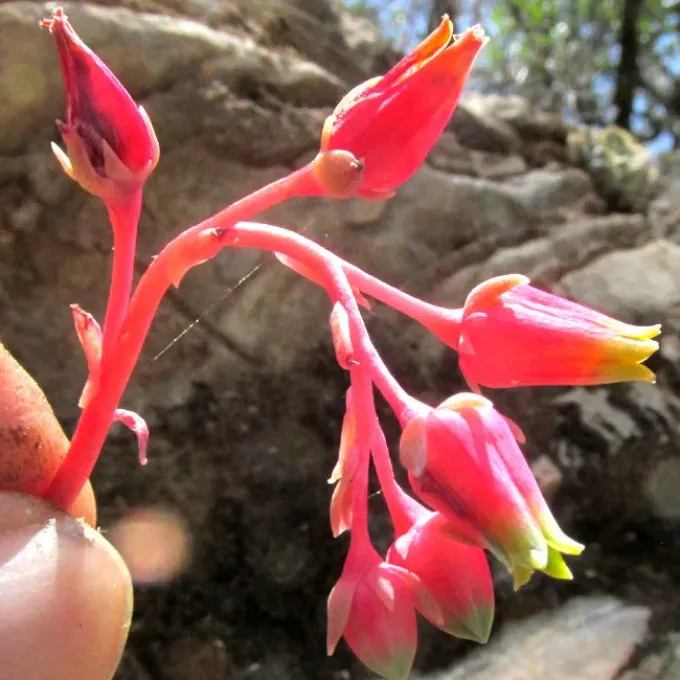
Description
Sowing dates
Propagation of Echeveria hyalina in agricultural and nursery settings is primarily achieved through leaf cuttings or by separating offsets that grow at the base of the parent plant.
The optimal time for propagation is during the spring months, allowing the cuttings sufficient time to establish a strong root system during the active growth phase.
When propagating from seeds, it is essential to use a fine, sterile, well-draining substrate to prevent dampening off, a common issue with succulent seedlings.
Seeds should be scattered on the surface and kept in a warm, bright environment, maintaining constant humidity until germination is fully achieved.
Once the seedlings are large enough to handle, they are transplanted into individual containers with a specific cactus mix to ensure proper drainage and root development.
Growing requirements
Echeveria hyalina is a member of the Crassulaceae family, characterized by its compact, rosette-forming structure and succulent leaves adapted to arid environments.
This species originates from the mountainous regions of Mexico, necessitating a growing environment that mimics its natural high-light, low-humidity conditions.
The soil must be highly porous and inorganic, typically composed of pumice, perlite, and coarse sand to ensure that water does not linger near the root collar.
Proper airflow is critical for this species; in greenhouse environments, this is managed through active ventilation to prevent heat buildup and fungal moisture retention.
Temperature management requires a distinct difference between summer growing seasons, where it thrives at 25 degrees, and winter, where temperatures should drop to promote dormancy.
Main diseases and pests
The most common agricultural challenge for Echeveria hyalina is root rot, which typically stems from poor irrigation management or the use of heavy, water-retaining soils.
Mealybugs represent the primary insect threat to this cultivar, as they often hide deep within the dense rosettes, making manual removal difficult.
Spider mites can also become a problem if the ambient humidity is consistently too low and the plant is not receiving sufficient water to maintain its internal pressure.
Integrated pest management protocols, including the application of horticultural oils or systemic insecticides, are required to keep the plant free from infestation.
Effective prevention strategies include routine monitoring of the leaf axils and maintaining a strict watering schedule that allows the substrate to dry completely between sessions.