
Echeveria guerrerensis
Echeveria guerrerensis
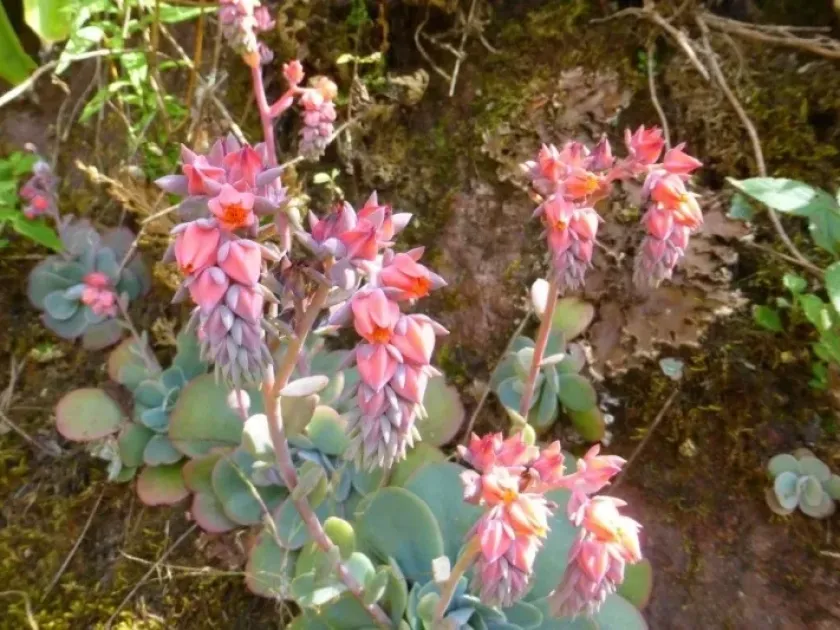
Description
Growing requirements
Echeveria guerrerensis is a perennial succulent plant belonging to the Crassulaceae family. Native to Mexico, specifically the state of Guerrero, this species is highly valued for its distinct rosette shape and adaptation to arid environments.
The plant grows in tight basal rosettes with fleshy leaves that store moisture, allowing it to survive periods of drought. The leaves are typically coated with a waxy bloom that minimizes water loss and protects the plant from intense sun exposure.
Successful cultivation requires excellent drainage. The ideal substrate is a porous mixture of soil, coarse sand, perlite, or grit, which ensures that water does not accumulate around the root system.
This succulent thrives in bright but indirect sunlight. While it is sun-loving, midday intensity can scorch the leaves, so placing the plant in a spot with eastern or western exposure is recommended.
During the growing season, a temperature range of 20–25 degrees Celsius is optimal. In winter, the plant requires a dormant period with cooler temperatures, between 10 and 15 degrees Celsius, combined with significantly reduced watering.
Main diseases and pests
The greatest threat to Echeveria guerrerensis is overwatering, which quickly leads to root and stem rot. Fungal infections, such as Fusarium, often occur when moisture levels in the pot remain high for too long.
Pests like mealybugs and root mealybugs are the primary threats. These insects feed on the sap and hide within the dense leaf rosettes, requiring treatment with specific systemic insecticides if an infestation occurs.
Spider mites may appear in conditions where the air is excessively dry and lacks airflow. Maintaining a stable environment and inspecting the rosettes regularly helps prevent these outbreaks.
Etiolation is a common physiological issue where the plant stretches out and loses its compact, decorative shape due to insufficient light levels. Providing adequate lighting is the best way to prevent this distortion.
Bacterial soft rot can occur if soil hygiene is poor or if standing water is present. Using sterilized potting mix and ensuring the soil dries out completely between waterings is essential for disease prevention.