
Echeveria gigantea x pulidonis
Echeveria gigantea x Echeveria pulidonis
Description
Growing requirements
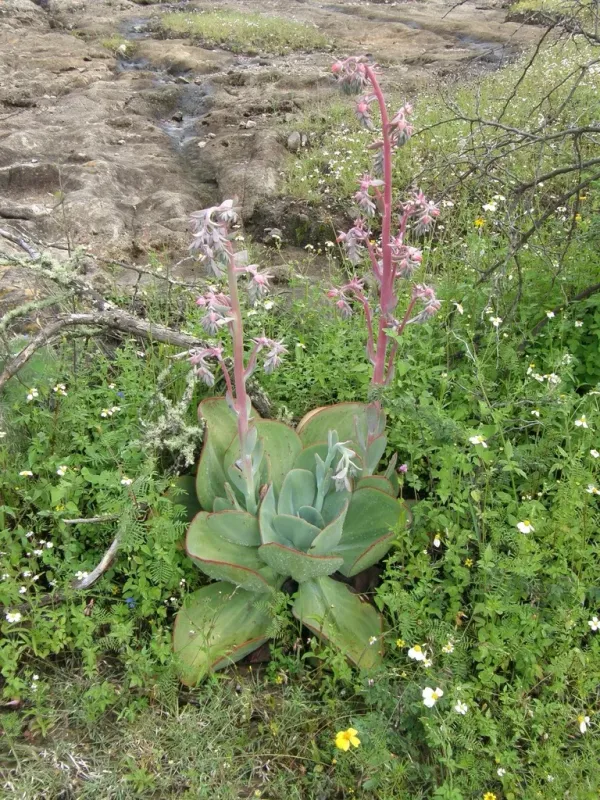
Echeveria gigantea x pulidonis is a striking hybrid succulent belonging to the Crassulaceae family. It inherits the robust size and structural complexity of the Echeveria gigantea parent, while gaining the distinctive reddish margins characteristic of Echeveria pulidonis.
This crop requires a specialized succulent substrate to thrive. A mixture containing 50% inorganic components, such as pumice, perlite, and coarse sand, is essential to facilitate rapid drainage and prevent the saturation of the root system, which is vital for long-term health.
Light intensity plays a foundational role in the plant's morphology. Providing bright, indirect sunlight or controlled direct morning sun is necessary to maintain the tight, rosette formation and ensure the development of the characteristic leaf edge coloration.
The irrigation strategy for this hybrid should be based on the 'soak and dry' method. During the active growth season, water deeply but infrequently, ensuring the potting medium is entirely dry between applications to replicate the semi-arid environment of its origin.
Cultivation of this species is primarily for ornamental purposes. It is widely used in residential interior design, modern succulent arrangements, and as a collector's item due to its unique hybrid vigor and manageable size for small-scale cultivation.
Main diseases and pests
The most significant threat to this crop is fungal rot, which manifests when moisture persists in the crown or the roots for extended periods. Proper air circulation is mandatory to mitigate these risks and prevent tissue necrosis.
Mealybugs are the primary pest affecting this succulent, often hiding in the densely packed leaf axils. Frequent monitoring of the rosette center is essential to detect early infestations before they compromise the structural integrity of the plant.
Root rot, frequently induced by overwatering or using heavy, non-porous soil, can cause irreversible damage. If symptoms such as leaf drop or soft stems appear, immediate intervention by repotting into fresh, dry medium is required.
Spider mites can occur if the humidity levels drop significantly for an extended duration. Regular cleaning of the leaves and maintaining appropriate environmental conditions are the best preventive measures against these pests.
Physiological disorders, such as etiolation, occur when light levels are insufficient. This results in stretched stems and poor rosette structure, which makes the plant more susceptible to opportunistic pathogens and weakens its overall defense mechanisms.