
Giant Echeveria
Echeveria gigantea Rose & Purpus
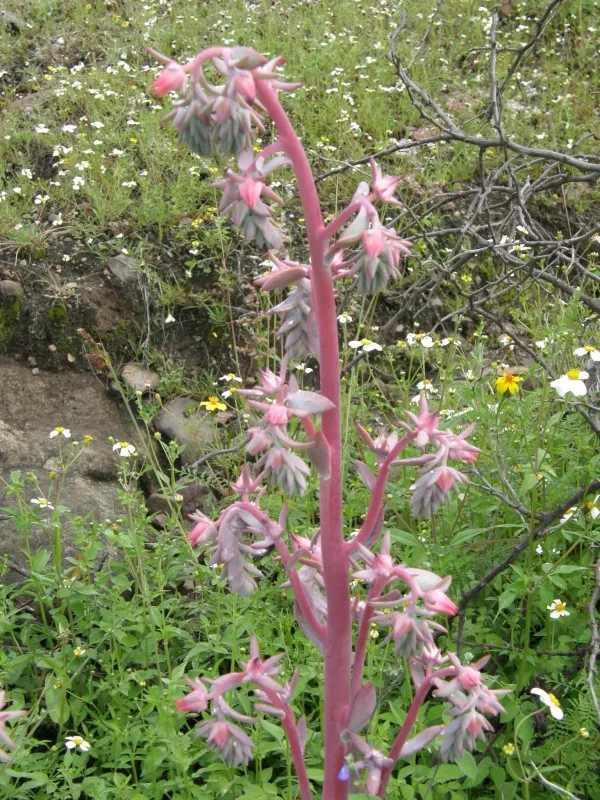
Description
Growing requirements
Echeveria gigantea is a perennial succulent species belonging to the Crassulaceae family. It is recognized for its massive rosette structure, which can reach substantial diameters, distinguishing it from smaller common succulent varieties.
Native to the rocky habitats of Mexico, this plant thrives in environments characterized by high solar radiation and low soil nutrient availability. Its biological structure is highly specialized for water storage within thick, fleshy leaves.
Cultivation requirements demand a porous, high-drainage soil mixture. A composition including volcanic rock, coarse sand, and perlite is recommended to prevent anaerobic conditions in the root zone which are fatal to this species.
Environmental conditions require intense light exposure for at least six to eight hours daily. High-quality growth depends on maintaining a balance between bright light and moderate temperatures, avoiding extreme heat stress during midday.
Watering frequency should be strictly regulated based on the substrate moisture content. The soak-and-dry method is the standard practice, ensuring that the soil medium dries completely before the next irrigation cycle commences.
Main diseases and pests
The primary agricultural threat to Echeveria gigantea is fungal infection, specifically root rot triggered by overwatering. These pathogens quickly compromise the vascular system, leading to rapid tissue collapse.
Mealybugs represent a significant pest challenge. These insects colonize the succulent in the tight spaces between leaves, making them difficult to target. Their feeding causes localized necrosis and invites secondary fungal infections.
Aphids and mites may also infest the plant during the flowering stage, targeting the tender flower stalks. Regular inspection of the inflorescences is necessary to prevent the spread of these insects to the main rosette.
Effective pest management relies on early detection and the use of targeted systemic insecticides. Manual removal of pests using isopropyl alcohol is feasible for minor infestations on healthy, adult plants.
Cultural prevention practices, such as maintaining optimal airflow and avoiding overhead irrigation, are essential. These steps effectively mitigate the risks posed by both pests and microbial pathogens in commercial production.