
Echeveria gibbiflora x pulidonis
Echeveria gibbiflora DC. x E. pulidonis E. Walther
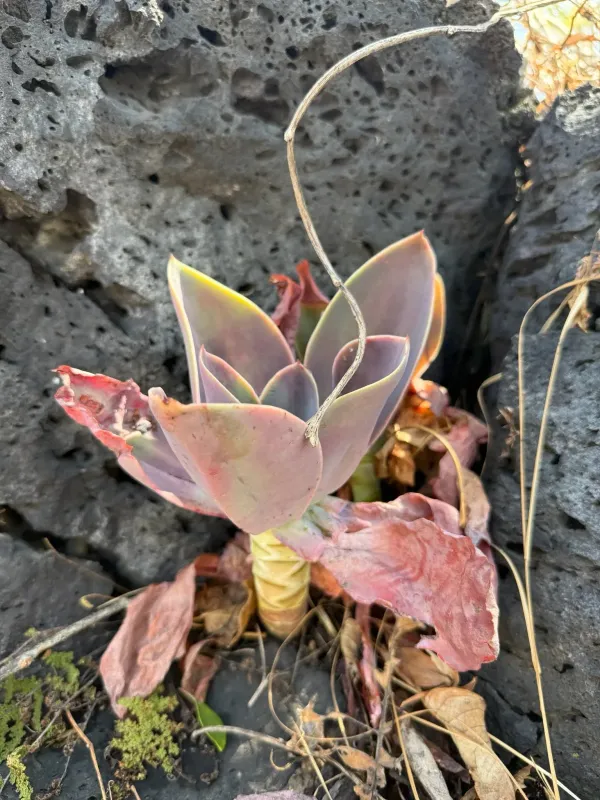
Description
Growing requirements
Echeveria gibbiflora x pulidonis is an interspecific hybrid belonging to the Crassulaceae family. This succulent is highly valued for its structural symmetry and the unique combination of the large rosettes typical of E. gibbiflora and the distinctively colored, hard-edged leaves characteristic of E. pulidonis.
The cultivation of this plant requires high levels of solar irradiance. In low-light conditions, the succulent will lose its compact form and vibrant leaf margins. Commercial growers often utilize supplemental LED lighting to maintain the rosette's health during the winter months.
Regarding soil requirements, the hybrid thrives in a porous, fast-draining medium. A mix consisting of one-third high-quality potting soil and two-thirds inorganic components such as pumice, perlite, or crushed volcanic rock is recommended to ensure optimal root aeration and prevent compaction.
Temperature management is crucial; the plant performs best in a range of 18-24 degrees Celsius during its active growing season. A cooler dormant period with temperatures between 10-15 degrees Celsius is beneficial for the plant's metabolic cycle and supports future bloom production.
Irrigation must be precise, following the soak-and-dry method. It is essential to ensure the substrate dries completely between watering events. Providing good airflow around the rosettes is a secondary requirement that significantly reduces the probability of moisture-related physiological disorders.
Main diseases and pests
The most prevalent threats to Echeveria hybrids are root and crown rots, caused by pathogens like Fusarium or Rhizoctonia. These issues are almost always the result of overwatering or inadequate substrate drainage, which creates an anaerobic environment near the root system.
Mealybugs pose a significant challenge, as they frequently nest in the tight crevices of the leaf rosettes. They consume the plant's sap, weakening the tissue and potentially serving as vectors for viral or secondary fungal infections.
Spider mites are another major concern, especially in environments where humidity levels fall consistently below 30 percent. They feed on the surface cells of the leaves, resulting in unsightly discolored patches and stunted overall growth patterns of the hybrid.
Effective management includes the use of systemic insecticides for sucking insects and appropriate fungicides applied during the early onset of visible symptoms. Cultural practices, such as removing fallen dead leaves from the soil surface, are essential for preventing outbreaks.
Strict quarantine protocols for new plants entering the collection help prevent the introduction of pests. Ensuring consistent airflow and monitoring plant health through routine inspections are the most effective non-chemical methods for protecting the crop.