
Echeveria chihuahuaensis
Echeveria chihuahuaensis Poelln.
Description
Growing requirements
Echeveria chihuahuaensis is a stunning succulent species belonging to the Crassulaceae family. Native to the mountainous regions of Chihuahua, Mexico, this plant has evolved to thrive in rocky, well-draining soils with limited water availability.
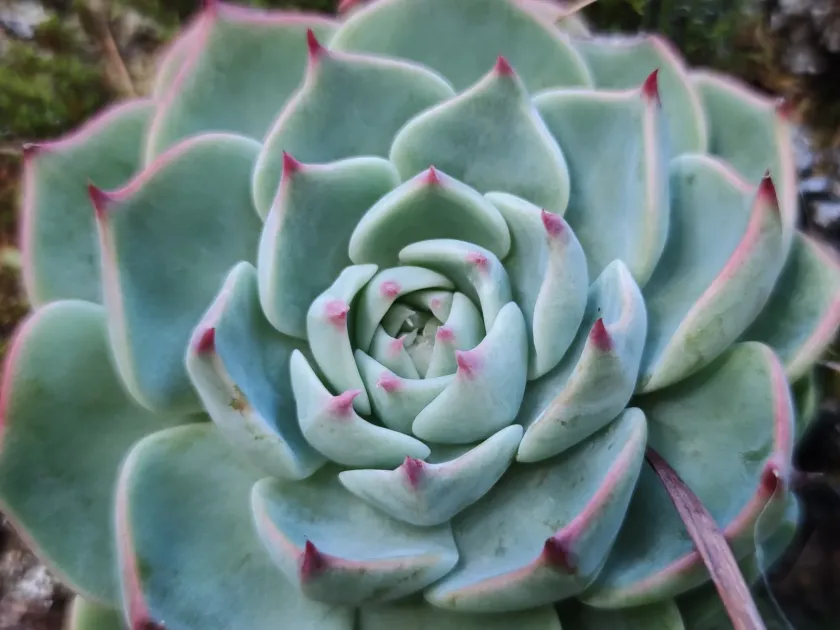
The plant requires bright, direct sunlight to maintain its compact rosette shape and distinct pink-tipped leaf margins. In indoor settings, it should be placed in the brightest location available, ideally a south-facing window, to prevent etiolation.
Optimal growth is achieved in a specialized succulent substrate. This mix should be highly porous, containing ingredients such as pumice, perlite, coarse sand, and a small portion of organic potting soil to ensure rapid drainage.
The plant prefers daytime temperatures between 20°C and 25°C during the growing season. A cooler period during winter, with temperatures dropping to 10°C, is essential to mimic its natural environment and stimulate healthy development.
Watering practices should follow the soak-and-dry method. It is crucial to allow the soil to dehydrate completely before applying water again, as this species is highly susceptible to root rot if kept in continuously moist conditions.
Main diseases and pests
Root rot is the primary threat to Echeveria chihuahuaensis, often caused by overwatering or the use of heavy, moisture-retentive soil that lacks adequate aeration.
Mealybugs are common pests that infest the crevices between the succulent leaves, causing damage by feeding on plant sap and weakening the overall structure of the rosette.
Spider mites may occasionally appear if the environment is too dry and stagnant, manifesting as tiny webs and discoloration on the leaf epidermis.
Fungal infections can occur if water remains trapped in the central rosette, leading to rapid tissue collapse and death of the plant if not addressed immediately.
Routine pest monitoring and ensuring proper airflow are the most effective strategies for maintaining a healthy specimen and preventing widespread infestations or diseases.