
Echeveria atropurpurea
Echeveria atropurpurea (Baker) hort. ex E. Morren
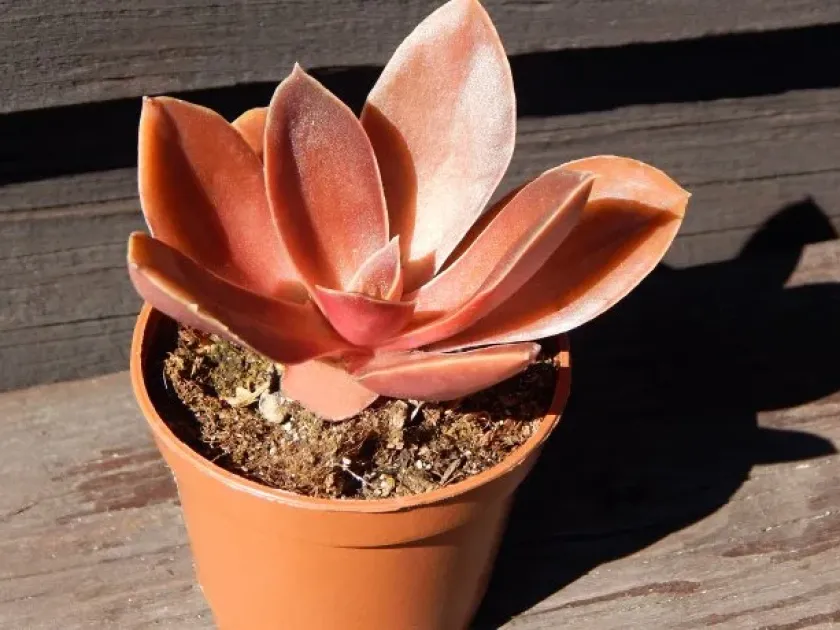
Description
Sowing dates
Propagation of Echeveria atropurpurea is primarily performed using leaf cuttings or offset removal. The best time for these operations is during the spring when the plant initiates its annual growth cycle.
Seed propagation is possible but less common in commercial settings. Seeds require a well-draining, fine-textured substrate and a stable temperature range of 20 to 25 degrees Celsius for germination.
When propagating by cuttings, the leaf base must be calloused for several days before planting. This step is crucial to prevent the entry of pathogens into the vascular system of the plant.
Rooting occurs efficiently in coarse sand or perlite mixtures. These media provide the necessary aeration for root development while preventing excessive moisture retention.
After the root system is established, the young plant is gradually acclimated to typical succulent care conditions. Direct, harsh sunlight should be avoided during the initial weeks of development.
Growing requirements
Echeveria atropurpurea belongs to the Crassulaceae family. It is a succulent species native to Mexico, known for its deep, reddish-purple foliage and symmetrical rosette growth pattern.
The crop demands high light intensity to maintain its characteristic pigmentation. Low light conditions will result in etiolation, where the plant stretches and loses its compact form.
Soil requirements focus on extreme drainage. A typical mix includes 50% inorganic components like volcanic rock or pumice, mixed with a minimal amount of organic potting soil.
Environmental management involves a strict wet-dry cycle. The substrate must dry out completely between waterings to prevent root death from hypoxia and fungal colonization.
Temperature control is essential for dormancy. Maintaining cooler temperatures during winter months encourages the accumulation of reserves and prevents weak, unhealthy growth.
Main diseases and pests
Mealybugs are the primary pest threat to Echeveria atropurpurea. These insects aggregate in the dense leaf rosettes, sucking sap and weakening the plant's structural integrity.
Root rot is the most common physiological disorder, usually caused by improper irrigation or poor drainage. It often manifests as sudden wilting or darkening of the stem base.
Fungal pathogens such as Rhizoctonia or Fusarium may attack the root system if the soil remains wet for prolonged periods. Sanitation is the best preventative strategy.
Aphids occasionally target developing flower stalks during the blooming season. Early detection and treatment with insecticidal soap can prevent colony establishment on the inflorescences.
- Sanitize gardening tools regularly.
- Ensure adequate ventilation in greenhouses.
- Use fungicide-treated soil if necessary.
- Isolate new plants before introduction.