
Duprez cypress
Cupressus sempervirens L. var. dupreziana (A. Camus) Silba
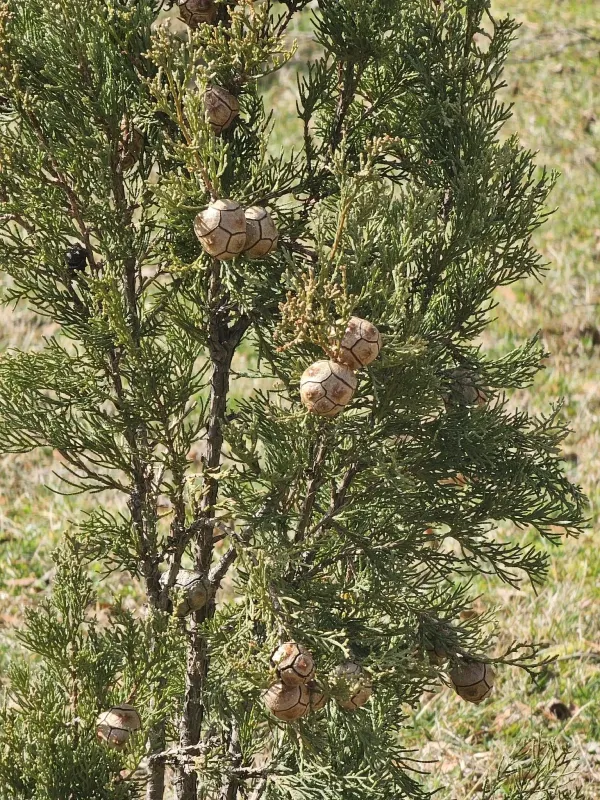
Description
Growing requirements
The Duprez cypress (Cupressus sempervirens var. dupreziana) is a distinct member of the Cupressaceae family, primarily native to the Tassili n'Ajjer plateau in the central Sahara. It is a critically endangered species, often referred to as the Saharan cypress.
Botanically, it is characterized by its slow growth, grey-green scale-like foliage, and its remarkable ability to thrive in extremely arid, rocky environments. Its root structure is exceptionally deep, allowing it to tap into subterranean moisture sources.
When cultivated, the Duprez cypress requires excellent drainage and a soil profile that mimics its natural rocky habitat. It cannot tolerate heavy, clay-based soils or sites prone to waterlogging, as these conditions inevitably lead to root failure.
Climate preferences include high temperatures with low atmospheric humidity. While the species is genetically adapted to harsh conditions, it benefits from a Mediterranean-style climate with mild winters and hot, dry summers during the development stage.
The agronomic maintenance of this species is minimal. Once established, the tree requires almost no irrigation or fertilization. Over-tending, especially excessive watering, is counterproductive and often leads to the decline of the specimen.
Main diseases and pests
The most significant threat to the Duprez cypress is Seiridium canker (Seiridium cardinale), a fungal disease that causes lesions on the branches and main stem. It spreads rapidly in humid environments, particularly if the plant is stressed.
Root pathogens, specifically Phytophthora species, pose a severe risk if the soil moisture levels are not strictly managed. Good soil aeration is the primary defense against these opportunistic underground pathogens.
Insect pests, such as cypress aphids (Cinara cupressi), can cause severe defoliation. These insects typically thrive in sheltered, overcrowded planting conditions where air circulation is restricted.
Scale insects are another common concern, often hiding within the dense foliage. Early detection is vital for successful treatment, as infestations can weaken the tree, making it susceptible to secondary environmental stresses.
Proper plant hygiene, including the removal of deadwood and the avoidance of sprinkler irrigation systems that wet the canopy, is essential to minimize the impact of common cypress diseases in an ornamental or nursery setting.