
Himalayan cypress
Cupressus torulosa D. Don
Description
Growing requirements
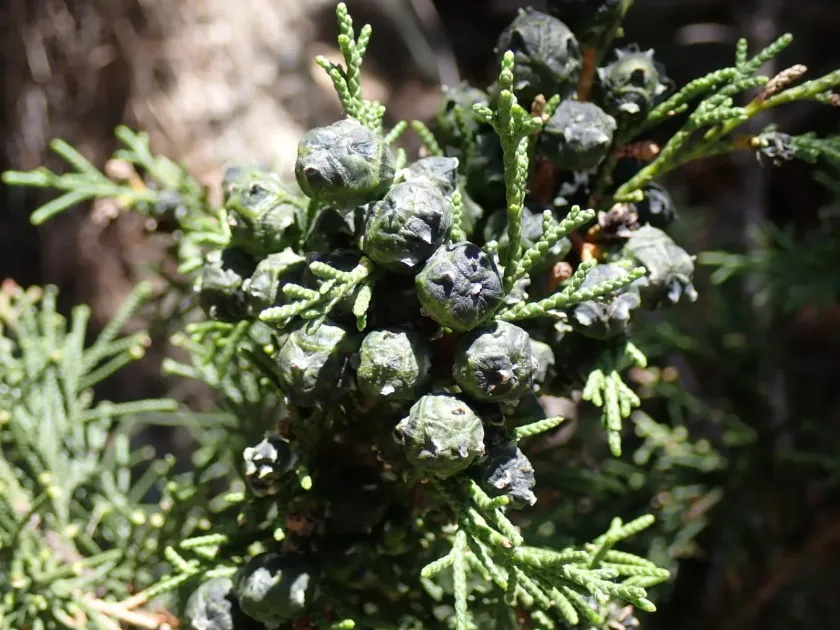
Himalayan cypress (Cupressus torulosa) belongs to the Cupressaceae family, native to the Himalayas. It is a large, evergreen coniferous tree known for its pendulous branches and high-quality timber in its native habitat.
The tree thrives in cool, temperate mountain climates with high rainfall. When introduced in cultivation, it requires full sun exposure and protection from harsh, drying winds that can cause foliage desiccation.
The soil requirements for Cupressus torulosa include well-drained, deep loam or sandy-loam soils. It does not tolerate waterlogged ground, which is a major limiting factor for its successful establishment in poorly drained areas.
Maintenance involves periodic mulching around the root zone to preserve soil moisture and regulate soil temperature. While it is moderately drought-tolerant once established, regular irrigation during the first few growing seasons is essential.
This species is widely used for ornamental planting in parks and large gardens. Due to its dense growth habit, it also provides excellent windbreaks and screening in appropriate climatic zones.
Main diseases and pests
Common diseases affecting this species include fungal infections such as Seiridium canker, which causes branch dieback and lesions on the trunk. Proper sanitation and pruning of affected areas are critical.
Pests like spider mites and aphids are frequently found on Himalayan cypress. They thrive in hot, dry conditions, often attacking the inner foliage and causing premature shedding of needles.
Integrated pest management, involving the use of horticultural oils or systemic insecticides, is recommended to control insect populations and maintain tree health.
Root rot caused by Phytophthora species is a serious threat if irrigation management is poor. Ensuring that the planting site has excellent drainage is the primary defense against this pathogen.
Winter injury can occur in regions with fluctuating temperatures. Applying a layer of organic mulch and ensuring the tree is well-hydrated before the first frost are effective preventative measures.