
Nootka cypress
Cupressus nootkatensis D. Don
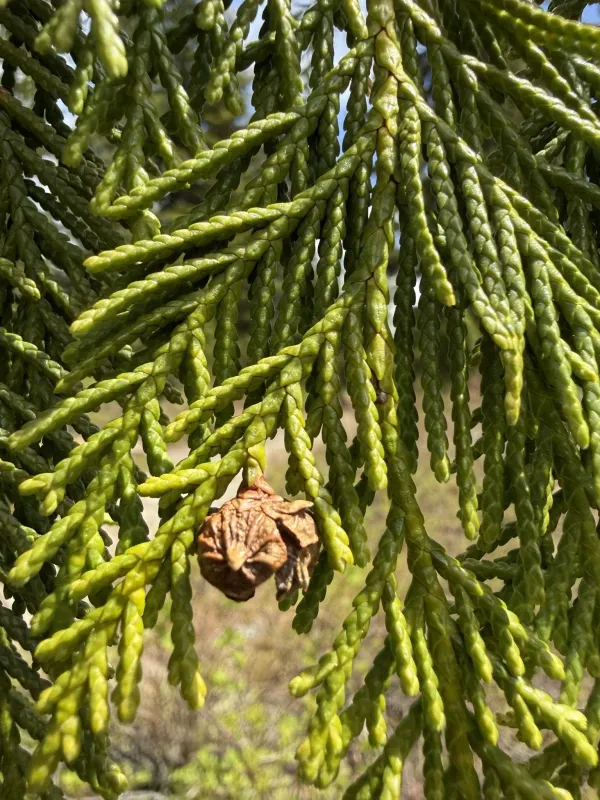
Description
Growing requirements
Nootka cypress (Cupressus nootkatensis) is a prominent conifer species belonging to the Cupressaceae family. Native to the coastal regions of the Pacific Northwest, this tree is known for its graceful, weeping habit and high tolerance for cool, humid maritime environments.
The species thrives in deep, moist, and well-drained soils that are slightly acidic. It is sensitive to drought and heavy, compacted soil, making site selection critical for its health. Partial shade or dappled sunlight is generally preferred, especially in areas with warm or intense summer temperatures.
Climate-wise, it is quite hardy, showing excellent resistance to low temperatures. However, it requires protection from desiccating winter winds which can cause browning of the foliage. Consistent soil moisture is necessary throughout the growing season to ensure robust development.
Agrotechnical care involves regular irrigation during the establishment phase and mulch application to maintain moisture and soil structure. Pruning is rarely needed due to its naturally elegant shape, but removing dead or damaged branches can improve the tree's overall appearance and vigor.
In terms of usage, the Nootka cypress is primarily valued as an ornamental specimen in landscaping. Its distinctive drooping branches and scale-like green foliage make it a popular choice for parks and large residential landscapes, often serving as a focal point in design compositions.
Main diseases and pests
The primary threats include root rot caused by Phytophthora species, which is typically triggered by poor drainage and waterlogged soil. Proper soil management and avoiding overhead irrigation can help mitigate these fungal risks.
Pest issues often involve spider mites, particularly during periods of low humidity and high heat. Infestations lead to discolored foliage and premature needle drop, requiring integrated pest management approaches, such as regular monitoring and application of appropriate acaricides.