
Mexican cypress
Cupressus lusitanica Mill.
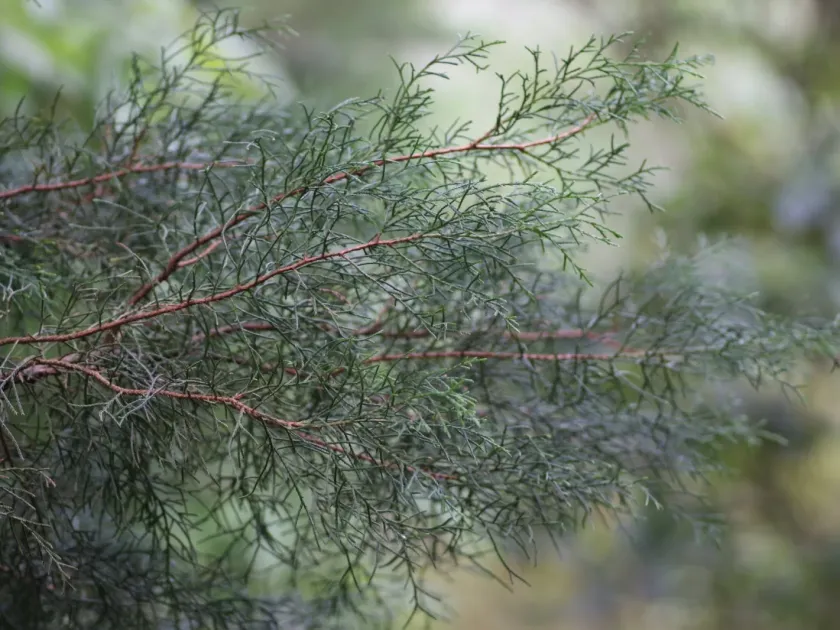
Description
Sowing dates
Sowing seeds of the Mexican cypress (Cupressus lusitanica) is best performed in early spring, once the danger of severe frost has passed. March or April provide the ideal window to ensure the seedlings establish a strong root system before the onset of extreme weather.
Seed stratification is a critical step in the germination process for this species. Exposing seeds to cold, moist conditions for a period of one to two months significantly improves uniformity and overall germination rates, as the seeds have a natural dormancy mechanism.
The medium used for sowing should be well-drained and lightweight, typically composed of a mixture of sand, peat, and organic matter. This prevents the moisture retention that can lead to damping-off disease, which is a common threat to delicate coniferous seedlings.
Seeds are sown at a shallow depth of approximately 0.5 to 1 cm. After placement, the surface should be lightly covered with a fine layer of sand or grit to maintain constant humidity around the germinating seeds while allowing for adequate air circulation.
In commercial nursery settings, precision sowing in plug trays or individual containers is preferred. This method ensures that each plant receives sufficient nutrients and light, and it minimizes transplant shock when the young trees are moved to their permanent locations.
Growing requirements
The Mexican cypress belongs to the Cupressaceae family and is an impressive, fast-growing evergreen conifer. Native to the mountainous regions of Central America, it has adapted to temperate to subtropical climates with high annual rainfall and mild winter temperatures.
This tree requires full sun exposure to maintain its dense foliage and vigorous growth habit. While it prefers moist environments, it is essential that the soil offers excellent drainage to prevent the root rot commonly associated with waterlogged soil conditions.
Soil pH should ideally be neutral or slightly acidic. The Mexican cypress thrives in deep, fertile, and loamy soils. Although it can tolerate a range of soil types, it performs best when protected from extreme wind exposure and when moisture levels remain consistent throughout the growing season.
Agricultural management includes regular irrigation during the initial developmental stages. Once established, the species shows moderate drought tolerance, though growth rates will be highest when access to water is consistent throughout the year.
Proper spacing is a vital component of its cultivation. Whether grown for timber or as a landscape feature, adequate distance between trees ensures that each individual has the necessary access to sunlight and soil nutrients, thereby maximizing its potential height and form.
Yield
The primary economic use of Mexican cypress is in the timber industry. Its wood is highly valued for being lightweight, durable, and naturally resistant to decay, making it an excellent material for construction, furniture making, and professional joinery.
In addition to its structural properties, the wood is noted for its pleasant aroma and aesthetic appeal. It is frequently used in high-end woodworking, including the creation of musical instruments, where it provides excellent stability and resonance characteristics.
As a landscape asset, the Mexican cypress is a preferred choice for ornamental purposes. Its graceful, pyramidal structure and dark green foliage make it a stunning addition to parklands, large estate gardens, and formal avenue plantings in warmer climates.
From an ecological standpoint, the tree plays a significant role in reforestation projects. Its deep root system is highly effective in stabilizing steep mountain slopes and preventing soil erosion, which is crucial for protecting fragile ecosystems in its native range.
When managed as a commercial crop, the species provides a steady yield of biomass and timber. Under optimal conditions, the plantation can reach maturity in a relatively short timeframe compared to other large conifers, providing a sustainable return for forestry operators.
Main diseases and pests
Fungal diseases represent a primary threat to Mexican cypress, particularly those that cause root rot or branch dieback. Ensuring proper spacing and airflow is the most effective preventative measure against the spread of moisture-loving pathogens within a stand.
Pests such as aphids, scale insects, and cypress bark beetles can cause severe damage. These insects weaken the tree by feeding on sap or boring into the wood, potentially leading to branch death or making the tree more susceptible to secondary infections.
Spider mites are a significant problem, especially in dry, hot environments. These tiny pests suck sap from the foliage, causing it to yellow and eventually drop off, which significantly diminishes the tree's health and visual quality.
Effective management includes regular monitoring and the use of integrated pest management strategies. Early detection of symptoms allows for targeted treatments, such as the application of systemic insecticides or fungicides, to minimize the impact on the overall crop.
Sanitation is key to a healthy plantation. Removing dead or infected wood helps prevent the buildup of pest populations and fungal spores. A well-maintained, healthy tree is inherently more resilient to stressors, reducing the need for aggressive chemical interventions.