
Italian cypress
Cupressus sempervirens L.
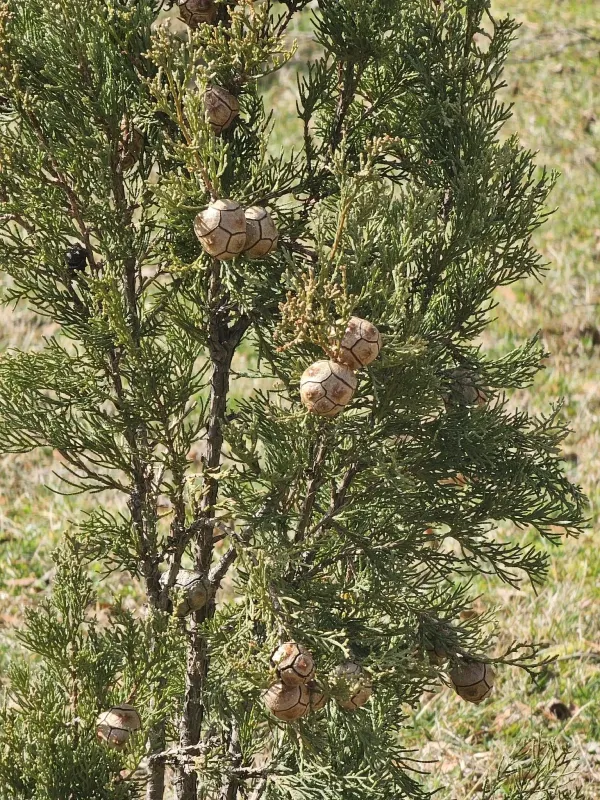
Description
Sowing dates
Seeds of the Italian cypress are usually sown in the spring following a stratification period of 1 to 2 months at temperatures between +3°C and +5°C. This pre-treatment is essential for increasing germination rates.
A light sandy-peat substrate should be used for sowing, ensuring it remains consistently moist. The containers must be placed in a well-lit area, avoiding direct exposure to intense midday sunlight, which can damage the delicate seedlings.
In commercial nurseries, vegetative propagation via cuttings is standard practice. Cuttings are harvested in late summer or early autumn using semi-hardwood shoots to ensure the offspring retain the parent tree's desirable traits.
Transplanting young saplings to their permanent location should occur no sooner than two to three years after sowing. It is vital to maintain the integrity of the root ball, as the Italian cypress root system is highly sensitive to mechanical damage.
When planting, consider the mature dimensions of the tree. To create dense hedges, spacing should be at least 1.5 to 2 meters apart to allow for adequate air circulation, which is crucial for overall plant health.
Growing requirements
The Italian cypress, a member of the Cupressaceae family, is a signature plant of Mediterranean climates. While it is remarkably drought-tolerant once established, it requires consistent watering during its initial years to develop a strong root system.
The plant thrives in full sun and requires open, well-lit spaces to grow vertically. Although it can withstand brief temperature drops, the Italian cypress performs poorly in regions with prolonged severe frosts or harsh, drying winter winds.
The species is not overly demanding regarding soil type but prefers well-draining, calcareous, or loamy soils. Waterlogged ground is lethal to this plant, as it leads rapidly to root decay in poorly aerated environments.
During the first few years, protection from intense winter sun and strong winds is recommended. Mulching the base with pine needles or bark helps regulate soil moisture, stabilizes temperatures, and protects shallow roots from heat stress.
Pruning is a key management practice. The Italian cypress responds very well to regular trimming, making it a popular choice for formal hedges, topiary, and architectural plantings that define Mediterranean landscapes.
Main diseases and pests
The primary biological threat to the Italian cypress is the fungal pathogen known as Seiridium canker, which causes branch dieback and, in severe cases, the death of the entire tree. Regular pruning of infected branches is necessary for prevention.
The tree is also susceptible to pests such as spider mites and cypress aphids. These pests feed on the sap of the foliage, leading to yellowing, browning, and eventual premature needle drop, which ruins the tree's aesthetic appeal.
Scale insects can infest the trunk and the base of the shoots. During significant outbreaks, the application of systemic insecticides is required to suppress the pest population across different stages of their life cycle.
Root rot often occurs as a result of improper irrigation and poor soil drainage. Maintaining a correct watering schedule and ensuring that the soil surface around the trunk remains loose is vital for preventing these infections.
Fusarium wilt remains a concern, particularly in environments with high humidity and poor air circulation. Timely application of broad-spectrum fungicides is an effective management tool to contain and stop the spread of infection within the grove.