
Atlas cypress
Cupressus sempervirens L. var. atlantica (Gaussen) Silba
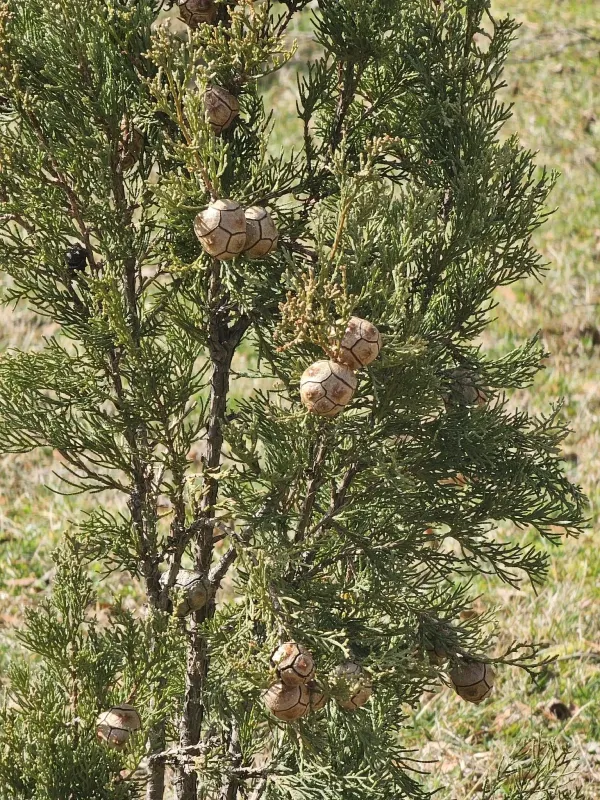
Description
Growing requirements
The Atlas cypress (lat. Cupressus sempervirens L. var. atlantica) is a distinguished variety of the Cupressaceae family. Native to the Atlas Mountains of Morocco, it has evolved to thrive in high-altitude environments characterized by rocky terrains and harsh conditions.
This variety is highly valued in agriculture and forestry for its exceptional drought resistance. It performs best in well-drained, lime-rich soils where waterlogging is completely avoided, as the root system is prone to hypoxia in dense, clay-heavy substrates.
Climate requirements include ample sunlight exposure and protection from extreme, prolonged cold spells. While it is tolerant of heat, young specimens benefit from shelter during their first years to protect against drying winds and severe temperature fluctuations.
Botanically, the species is defined by its compact, evergreen foliage and high-density, aromatic wood. Its structure allows it to serve effectively as a windbreak in Mediterranean climates, protecting smaller crops from wind erosion.
Host economic utilization focuses on reforestation projects, erosion control, and high-quality timber production. The tree's longevity and minimal maintenance requirements make it a sustainable choice for landscaping and environmental restoration.
Main diseases and pests
The most significant threat to the Atlas cypress is the fungus Seiridium cardinale, which causes serious cankers on the bark and branches. Regular inspection for oozing resin is crucial for early detection and mitigation.
Pests such as cypress aphids and spider mites frequently cause foliage yellowing during dry, warm seasons. Integrated pest management, including systemic insecticides and regular misting, is recommended for healthy growth.
Root rot, particularly Phytophthora, is an issue in poorly drained sites. Ensuring a light, rocky soil composition prevents the conditions that foster pathogen proliferation in the root zone.
Bark beetles may target stressed trees, often as secondary infestations. Keeping the tree hydrated and avoiding unnecessary physical damage during pruning helps maintain the plant's natural defense mechanisms.
Routine sanitation, including the removal of deadwood and the disinfection of pruning tools, is essential to limit the spread of pathogens between individual trees in a plantation or garden setting.