
Arizona cypress
Cupressus arizonica Greene
Description
Growing requirements
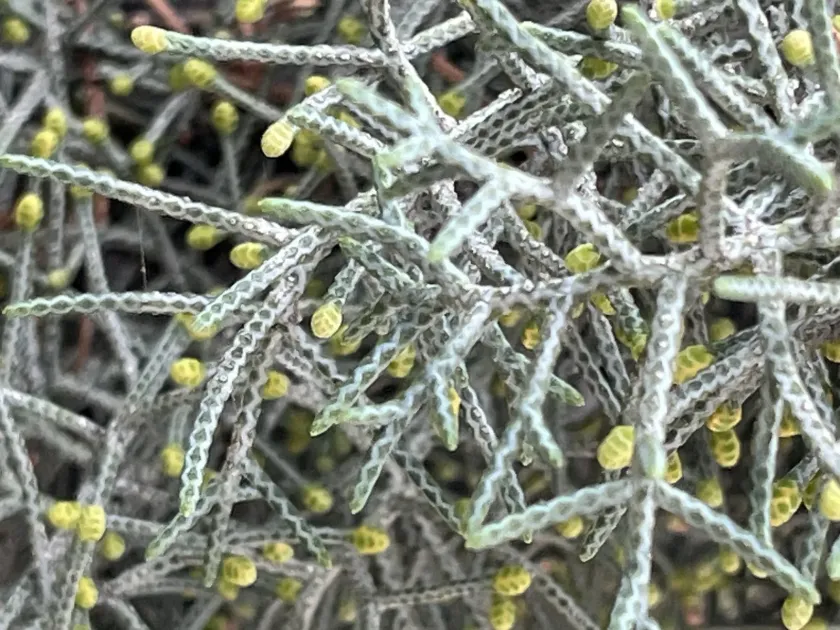
Arizona cypress (Cupressus arizonica Greene) is an evergreen coniferous species belonging to the Cupressaceae family. It is native to the southwestern United States and northern Mexico, naturally thriving in high-altitude, rugged terrain.
The tree is prized for its exceptional drought tolerance and resilience to high temperatures. It requires a location with full sun exposure to maintain its dense foliage structure and vibrant blue-green color.
The species is highly adaptable to various soil types, including rocky, gravelly, and sandy soils. The most critical requirement for long-term health is excellent drainage, as root rot frequently develops in waterlogged soil.
While the tree is considered low-maintenance, young saplings need regular irrigation during their first few years. Once established, the deep root system allows it to endure extended dry periods without supplemental water.
Proper maintenance involves occasional pruning to remove dead or diseased branches. Fertilizing is generally not required in healthy soil, but a balanced slow-release fertilizer can support growth in particularly poor conditions.
Main diseases and pests
One of the primary threats to the species is Seiridium canker, a fungal infection that causes branch dieback and lesions on the bark, often exacerbated by moisture stress.
Spider mites are a common pest in arid climates. They feed on the sap, causing the needles to yellow and drop. Regular monitoring and misting can help deter their population growth.
Scale insects may attach to the needles and branches, causing significant damage if infestations are not controlled in time. Horticultural oils or systemic insecticides are recommended for treatment.
Root rot, typically caused by Phytophthora, is a risk in areas with poor drainage or during seasons of excessive rainfall. Preventing soil compaction is essential to manage this risk.
Effective pest and disease management includes maintaining plant vigor through proper site selection and avoiding mechanical injuries to the trunk or branches during routine maintenance.