
Watts' shield fern
Dryopteris wattsii
Description
Growing requirements
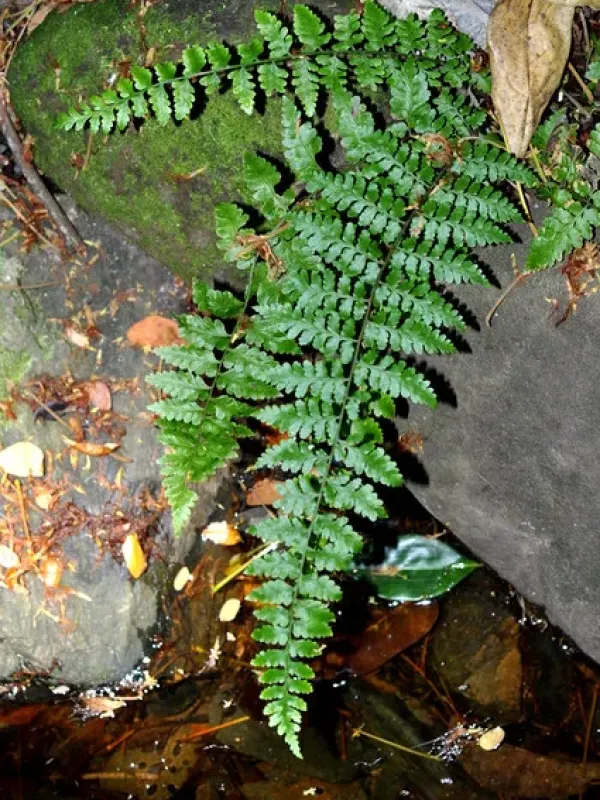
Watts' shield fern (Dryopteris wattsii) is a perennial vascular plant belonging to the Dryopteridaceae family. Originally native to Australian rainforest ecosystems, this fern is adapted to stable, humid environments that provide ample moisture and protection from intense environmental stress.
Cultivation of this species requires shaded or semi-shaded locations with high ambient humidity. Direct sunlight can cause severe tissue damage, leading to yellowing and desiccation of the fronds, so placement under a canopy or on the north side of buildings is highly recommended.
The soil should be light, rich in organic matter, and acidic to neutral in pH. A mixture of peat moss, coarse sand, and leaf litter creates an ideal medium that allows for proper root aeration while maintaining the consistent moisture levels that these ferns require to thrive.
Agricultural practices for this crop involve regular irrigation throughout the growing season to ensure the root ball never completely dries out. During the peak of the heat, mulching with pine needles or bark helps to conserve soil moisture and suppress weed competition.
In landscaping, this fern is valued for its delicate, lacy appearance, making it an excellent candidate for forest-themed gardens or container gardening. Its ability to tolerate low-light conditions makes it a versatile choice for shaded outdoor areas.
Main diseases and pests
Root rot represents the most significant threat to the health of the fern, often resulting from poor soil drainage or excessive irrigation cycles. To mitigate this risk, it is essential to ensure that the planting site has an effective drainage layer, especially in heavy soils.
Pests such as scale insects and aphids are common challenges, as they often cluster on the undersides of fronds. Regular monitoring and the application of horticultural oils or contact insecticides can effectively control these populations before they cause significant damage.
Spider mites are a major concern during dry, hot weather, particularly in low-humidity environments. Increasing air moisture and using water sprays to clean the foliage can deter these pests and maintain the plant's health.
Gastropods, such as slugs and snails, are particularly attracted to the tender emerging crosiers during the spring. Implementing manual barriers or biological control measures can prevent them from consuming young foliage.
Fungal leaf spot diseases may appear if the foliage remains wet for extended periods in stagnant air. Ensuring good air circulation around the plants and avoiding overhead irrigation during evening hours are standard preventative techniques for a healthy fern garden.