
Scaly male fern
Dryopteris affinis
Description
Growing requirements
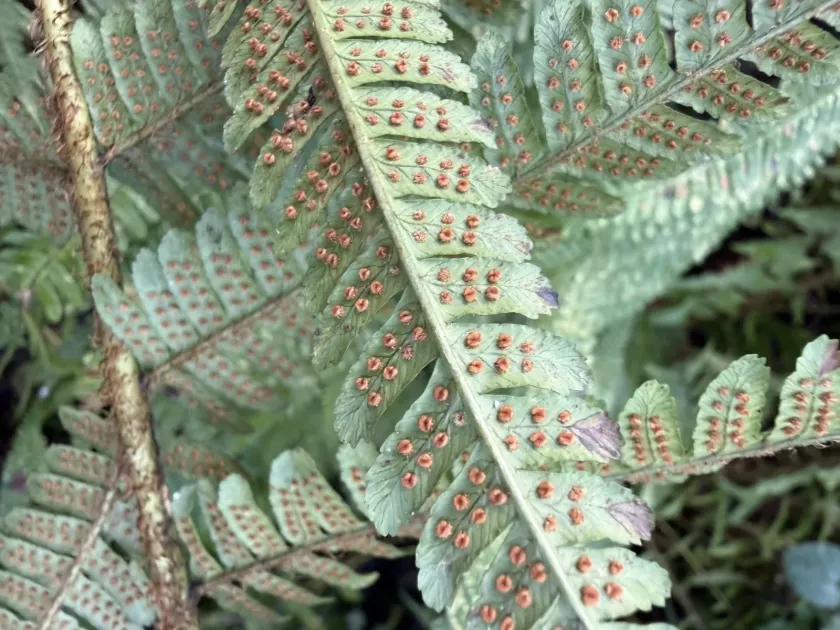
The scaly male fern (Dryopteris affinis) is a perennial fern species belonging to the Dryopteridaceae family. It is widely recognized for its robust, evergreen or semi-evergreen fronds that provide excellent texture and interest in shaded garden areas.
Native to Western and Southern Europe, this fern thrives in woodland environments and damp, rocky slopes. It has become a popular choice for gardeners due to its adaptability to various temperate climates and its ability to flourish in deep shade where many flowering plants struggle.
Successful cultivation requires soil that is rich in organic matter, consistently moist, and well-draining. While the plant prefers acidic to neutral soil, it is relatively tolerant of different substrates provided they are not excessively compacted or prone to standing water during dormant months.
The maintenance routine for Dryopteris affinis involves regular watering during dry spells and annual application of leaf mold or compost around the base. This mimics the natural forest floor habitat, ensuring the roots remain cool and protected from temperature extremes.
In landscaping, this species serves as a foundational plant for shade gardens, woodland borders, and large containers. Its architectural form and reliable growth habit make it an ideal choice for creating lush, low-maintenance landscapes that remain attractive throughout the growing season.
Main diseases and pests
The scaly male fern is remarkably resistant to major plant diseases. However, in poorly ventilated or excessively damp environments, foliage may become susceptible to fungal leaf spots. Proper spacing is essential to ensure good airflow through the fronds.
Pest issues are generally minimal for this fern, though slugs and snails can occasionally graze on emerging croziers in the spring. Implementing simple pest management strategies, such as clearing debris from the immediate vicinity, is usually sufficient to protect the health of the plant.