
Shaggy shield fern
Dryopteris atrata
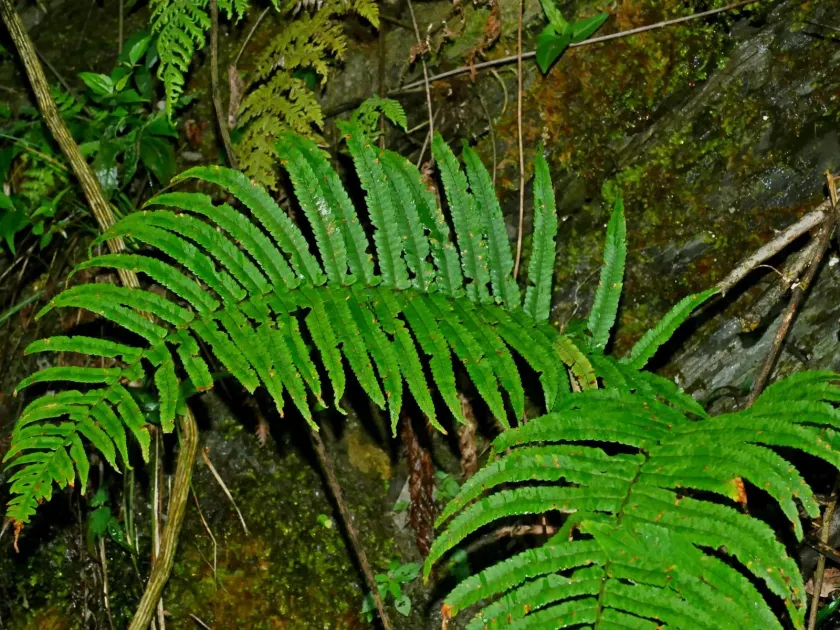
Description
Growing requirements
Dryopteris atrata, commonly known as the Shaggy shield fern, is an ornamental perennial belonging to the Dryopteridaceae family. It is highly valued for its striking dark, scaly stipes and its attractive, dark green, upright fronds that maintain an elegant form throughout the growing season.
The plant is native to East Asia, including regions of China and Japan. It thrives in cool, temperate climates and is typically found in moist, shaded environments, such as woodlands and ravines. Due to its origin, it requires consistent moisture and protection from harsh environmental stressors.
The optimal soil for this fern should be rich in organic matter, well-draining, and slightly acidic. Incorporating leaf mold or compost into the planting site helps create an ideal medium that mimics the plant's natural habitat while ensuring adequate nutrient supply for healthy foliage development.
Shade management is crucial for the Shaggy shield fern. It performs best in partial to full shade locations. Planting under the canopy of deciduous trees provides the dappled light and protection from scorching mid-day sun that the plant requires to prevent leaf scorch and dehydration.
Cultural maintenance involves consistent watering and mulching. Maintaining a layer of organic mulch, such as bark or compost, helps stabilize soil temperature and moisture levels, which is vital for the health of the rhizome and the overall vigor of the plant during the peak of summer.
Main diseases and pests
Root rot is the most significant threat to the Shaggy shield fern, typically caused by waterlogged soil. To mitigate this risk, it is essential to ensure that the planting site has excellent drainage and that the crown of the plant is not buried too deeply.
Slugs and snails are common pests that feed on the tender emerging fronds. Implementing physical barriers, such as copper tape or crushed eggshells around the base of the plant, can effectively deter these pests and prevent damage to the foliage.
In low humidity environments, particularly during summer heatwaves, spider mites may infest the fronds. Regular misting of the foliage and ensuring the plant is not under drought stress are effective strategies to prevent and manage mite populations.
Fungal leaf spots can occasionally occur, especially when air circulation is poor. Proper spacing between plants and the removal of dead or decaying fronds at the end of the season help minimize the humidity levels around the foliage, reducing the likelihood of fungal outbreaks.
While generally hardy, the fern should be monitored for signs of stress. Providing supplemental water during dry spells and ensuring the plant is established in a sheltered location will significantly enhance its natural resistance to both diseases and pests.