
Ardeche shield fern
Dryopteris ardechensis
Description
Growing requirements
Ardeche shield fern (Dryopteris ardechensis) is a perennial fern belonging to the Dryopteridaceae family. While not a conventional agricultural crop, it is a significant botanical species often cultivated by enthusiasts for its unique appearance and shade-loving nature.
The species is native to specific regions in Europe, particularly the Ardeche department in France. Its habitat is characterized by moist, shady environments such as deep forests and rocky slopes where the microclimate remains stable throughout the year.
For successful growth, this fern requires well-draining, humus-rich soil that mimics the forest floor. Maintaining high atmospheric humidity is essential, as the fronds are sensitive to dry air, which can cause them to curl or brown at the edges.
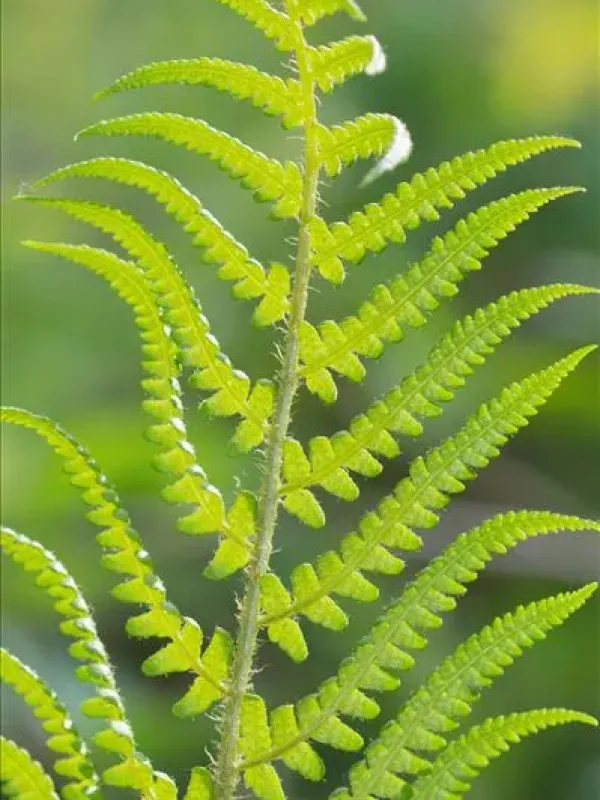
The plant grows in a distinctive rosette form with compound, deeply lobed fronds. Being a spore-bearing plant, it lacks seeds and requires specific conditions for the spores to germinate, usually preferring damp, undisturbed substrates.
In terms of usage, it serves as a decorative element in woodland garden designs, rockeries, and botanical conservatory collections. Its growth rate is moderate, requiring minimal disturbance to its root system once established.
Main diseases and pests
The primary threats to this fern species include fungal pathogens like Phytophthora and Pythium, which thrive in waterlogged soil. These pathogens attack the crown and rootstock, leading to the rapid decline of the entire plant.
Pest pressure mainly comes from slugs and snails during the spring and autumn months. These pests feed voraciously on young fiddleheads, causing permanent damage to the structural integrity of the plant's future growth.
Spider mites can be a problematic nuisance during periods of low humidity or drought. Infestations are typically identified by the yellowing of foliage and the presence of fine webbing on the undersides of the fronds.
Over-fertilization with nitrogen-heavy chemicals can lead to weak, succulent growth that is more susceptible to insects and disease. It is recommended to use slow-release organic fertilizers in very modest quantities.
Environmental changes, including deforestation and the drying out of native forest patches, are significant threats to the wild populations of Dryopteris ardechensis, making conservation efforts highly important.