
Azores wood fern
Dryopteris azorica
Description
Growing requirements
The Azores wood fern (Dryopteris azorica) is a perennial fern species belonging to the Dryopteridaceae family. Native to the Azores archipelago, it thrives in the mild, humid, and oceanic climate of its natural habitat, typically found in shady, sheltered environments within volcanic landscapes.
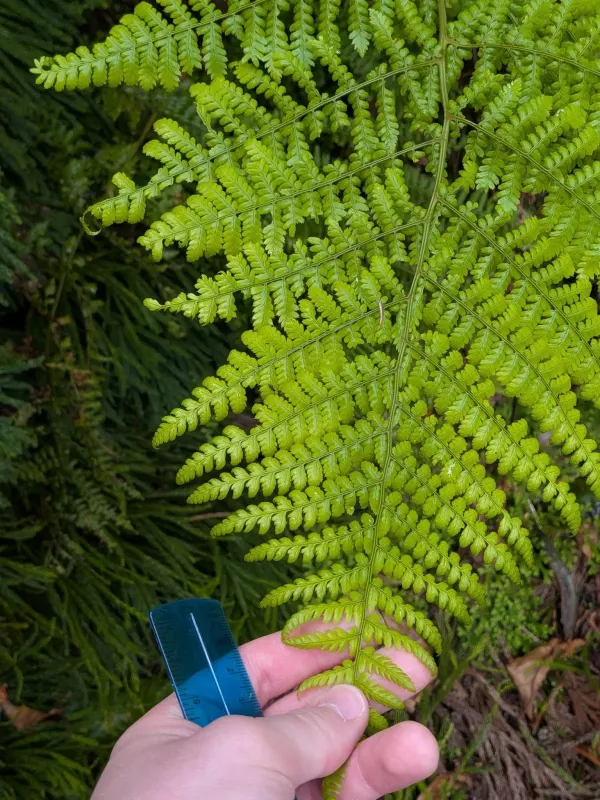
Botanically, this fern forms a robust rhizome from which elegant, arching fronds emerge. These fronds feature complex, pinnate structures that exhibit a deep green coloration. The plant is prized for its symmetrical growth habit and its ability to maintain lush foliage throughout the growing season.
For successful cultivation, the Azores wood fern requires a site with filtered light or partial shade, as direct intense sunlight can scorch the fronds. Maintaining high ambient humidity is crucial for the plant's health, making it an excellent candidate for humid garden corners or climate-controlled glasshouses.
The soil should be consistently moist, well-draining, and rich in organic matter. A mix of peat, bark, and leaf mould generally provides the ideal substrate acidity and aeration. Regular monitoring of soil moisture levels is necessary to ensure the rhizome does not dry out or suffer from waterlogging.
This species is primarily utilized for its ornamental qualities in landscape design, especially in temperate or subtropical gardens. It works effectively as a ground cover in shady borders, as part of a woodland-themed planting scheme, or as an attractive focal point in container arrangements.
Main diseases and pests
The most significant pathological threats include root rot caused by pathogens such as Phytophthora, which thrive in poorly drained substrates. Avoiding overwatering and ensuring a porous soil medium are the primary defensive measures against these soil-borne diseases.
In terms of pests, spider mites and scale insects are the most common adversaries, particularly in indoor or greenhouse settings with low humidity. Managing these pests involves regular misting of the fronds and the application of horticultural oils or biological control agents if an infestation occurs.