
Dryopteris amurensis
Dryopteris amurensis
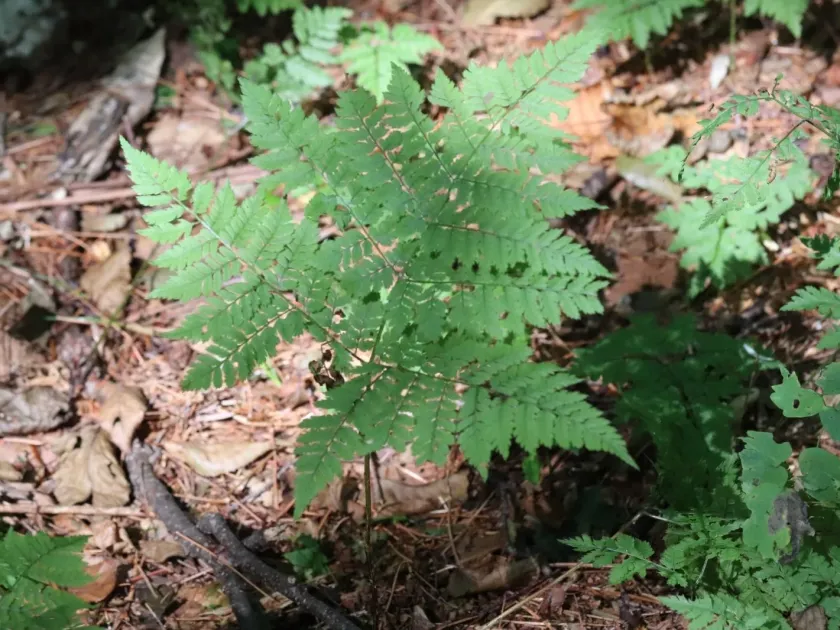
Description
Sowing dates
Propagation of Dryopteris amurensis is primarily achieved through vegetative division of the rhizomes in early spring or late summer. Spore-based propagation is a more complex process that requires laboratory conditions to ensure a successful germination rate.
When sowing spores, it is essential to use a sterile substrate composed of peat and sand. The moisture level must be kept constant, and the ambient temperature should be maintained between 18 and 22 degrees Celsius to support steady growth.
Seedlings should be moved to the open ground only after they have developed a robust root system and a well-defined rosette. The ideal planting time is mid-spring, allowing the plant to establish itself before the arrival of the summer heat.
When planting, maintain a spacing of 40 to 60 centimeters between specimens. This distance provides adequate room for the horizontal growth of the rhizomes and ensures that the large, elegant fronds have sufficient airflow.
Careful handling of the root system during the transplanting process is crucial. Damage to the roots can severely stunt the plant's growth for the entire season, making gentle soil removal and placement essential.
Growing requirements
Dryopteris amurensis is a woodland species that thrives in partial to full shade. Direct sunlight can lead to the scorching of the fronds and may cause the soil to dry out too quickly, which is detrimental to the fern's health.
The soil should be fertile, loose, and possess excellent drainage capabilities. Ideally, it should be rich in organic matter, such as leaf mold or compost, which mimics the natural forest floor habitat of the plant.
A slightly acidic to neutral soil pH is preferred for optimal growth. The soil must remain consistently moist but never waterlogged; improper drainage can lead to root rot and other physiological disorders.
In regions with dry summers, additional irrigation is necessary. Mist spraying the foliage in the evenings can also help maintain the high humidity levels that this fern requires to stay lush and vibrant.
This fern is exceptionally hardy and capable of surviving harsh winters typical of its native range. No special winter protection is usually required, provided that the plants are healthy and established.
Yield
The economic value of Dryopteris amurensis is found in its ornamental appeal and its traditional use in pharmacology. While it is not a large-scale agricultural crop, its value in the nursery and specialty medicinal trade is significant.
Yield, in an ornamental context, is measured by the number of healthy, robust, and marketable plants produced. Commercial nurseries typically achieve saleable plant sizes within two to three years of division.
For medicinal purposes, yield is focused on the mass of the harvested rhizomes. Harvesting is generally restricted to ensure the sustainability of populations, particularly when dealing with wild-harvested stock.
To maximize biomass production, intensive cultivation with controlled fertilization is recommended. Adding organic matter to the soil yearly can significantly increase the size and health of the fronds, enhancing marketability.
Quality management during the harvest and drying stages is essential for professional medicinal use. Proper handling ensures the concentration of active chemical compounds is preserved for end-user applications.
Main diseases and pests
Dryopteris amurensis is generally resistant to most pests but can be susceptible to fungal infections if the planting density is too high. Poor ventilation and excess moisture are the primary drivers of fungal outbreaks.
Slugs and snails can be problematic, especially in damp, shaded environments. They prefer to feed on the tender, emerging fronds, so protective measures like barriers or traps are often necessary during the spring.
Leaf spot diseases may occur under stress, particularly in waterlogged soils. Early detection and the removal of affected fronds can help prevent the spread of the infection to the rest of the planting.
Root rot is the most dangerous condition for this fern. It is usually caused by excessive irrigation or heavy, compacted soils that do not allow for adequate gas exchange in the rhizosphere.
Regular monitoring of the soil moisture levels and periodic weeding are simple yet effective preventative measures. If infections persist, the use of systemic fungicides may be required to protect the stock.
Harvesting
The harvesting of rhizomes for medicinal use is best performed in the autumn. At this time, the plant has entered its dormant phase, and the active compounds have shifted from the fronds to the underground structures.
Use a garden fork to carefully lift the plants from the soil. Clean the rhizomes gently to remove soil without damaging the sensitive outer layer, as any physical damage can lead to rapid decay during storage.
After harvest, the rhizomes should be cut into small, manageable pieces to facilitate efficient drying. This process must be carried out in a clean environment to ensure the final product is free from contaminants.
Drying should occur at temperatures between 40 and 45 degrees Celsius. Exceeding this temperature can lead to the degradation of the active ingredients, rendering the medicinal value of the harvest significantly lower.
Store the dried material in a cool, dark, and well-ventilated area. Using paper bags or wooden boxes allows the material to breathe, which helps to maintain the shelf life and potency of the stored rhizomes for up to two years.