
Coastal Wood Fern
Dryopteris arguta
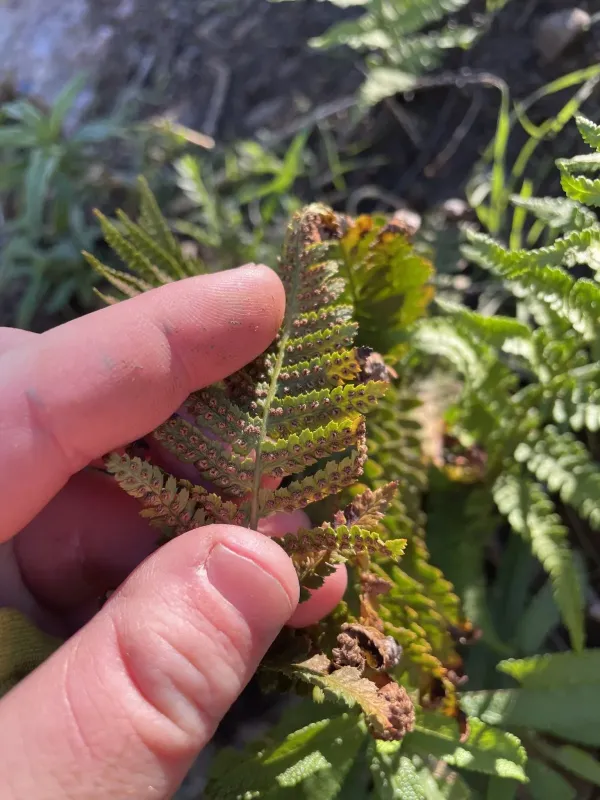
Description
Growing requirements
The Coastal Wood Fern (Dryopteris arguta) is a perennial species belonging to the Dryopteridaceae family. It is native to the western regions of North America, typically found in rocky slopes, canyons, and wooded environments.
Botanically, it is recognized by its dark green, leathery, and pinnate fronds that grow from a thick, creeping rhizome. The distinctive sharp-toothed margins of the leaflets distinguish this species from other members of the genus.
Regarding climatic needs, this fern thrives in mild, temperate regions. It is highly valued for its ability to maintain foliage throughout the growing season, provided it is shielded from the heat of direct afternoon sunlight.
The optimal soil for this plant is rich in organic matter with excellent drainage. While it can handle various soil types, it performs best in slightly acidic soils that allow for good aeration, preventing the roots from suffocation.
Cultural practices include consistent watering to keep the soil moisture levels stable. Although it has a certain degree of drought tolerance once established, periodic irrigation during hot spells ensures the plant remains lush and structurally sound.
Main diseases and pests
Common threats to this fern include fungal leaf spots and root rot, often caused by excessive irrigation or poor drainage. Maintaining good airflow around the fronds is a crucial preventative measure for these pathogens.
Garden pests, particularly slugs and snails, find the tender emerging fronds highly palatable. Using barriers such as crushed eggshells or environmentally safe slug baits can effectively protect the young foliage during spring.
Occasionally, spider mites may colonize the foliage if the surrounding air is too dry. Increasing the local humidity levels or using periodic gentle water showers on the foliage can help discourage these infestations.
Winter care is minimal but important; in regions with severe frosts, applying a layer of organic mulch helps protect the rhizomes from rapid temperature fluctuations and potential winterkill.
Regular sanitation of the garden bed, which includes removing dead or decaying organic debris, helps in reducing the overwintering sites for both pests and disease-causing spores, ensuring a healthy growing season.