
Aiton's wood fern
Dryopteris aitoniana
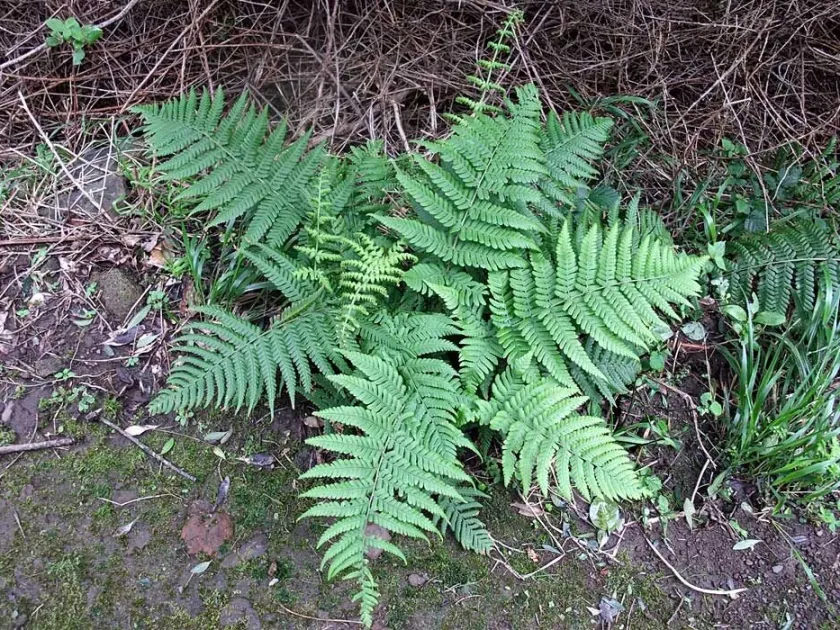
Description
Growing requirements
Aiton's wood fern (Dryopteris aitoniana) is a perennial fern species belonging to the Dryopteridaceae family. It is primarily native to the Macaronesian region, including the Azores, thriving in sheltered, humid environments.
The plant is characterized by a sturdy rhizome and dark green, leathery fronds that form a distinctive rosette pattern. This fern is highly valued for its elegant foliage and ability to tolerate lower light conditions compared to other ornamental species.
For successful cultivation, it requires a shaded location shielded from direct sunlight, which can scorch the fronds. High humidity is essential, and consistent misting or the use of humidifiers is recommended in indoor environments.
The ideal growing medium must be well-draining, consisting of a mix of peat moss, perlite, and leaf mold to mimic the natural forest floor conditions. The soil pH should remain slightly acidic to neutral for healthy growth.
Maintenance involves keeping the soil consistently moist but never waterlogged. During the active growing season, light fertilization with a balanced liquid fertilizer diluted to half-strength will support lush development of new fronds.
Main diseases and pests
Root rot is the most significant threat to Dryopteris aitoniana, usually caused by overwatering or poor drainage systems. Once the root system is compromised, the fronds rapidly turn yellow and eventually die off completely.
Spider mites are common indoor pests that thrive in dry, stagnant air. Infested plants show signs of fine webbing and speckled leaves, eventually leading to a loss of vigor and stunted growth if not treated promptly.
Scale insects can attach themselves to the undersides of leaves or along the stipes. These pests sap nutrients from the fern, necessitating the use of horticultural oils or systemic insecticides for effective control and eradication.
Fungal leaf spot diseases can occur if water remains on the fronds for too long without adequate ventilation. Ensuring proper airflow around the plant is a critical preventative measure against these common horticultural issues.
Regular inspection of the plant's crown and undersides of the leaves allows for early detection of potential threats. Maintaining high standards of hygiene in the growing area significantly reduces the likelihood of pest outbreaks.