
Hay-scented buckler fern
Dryopteris aemula
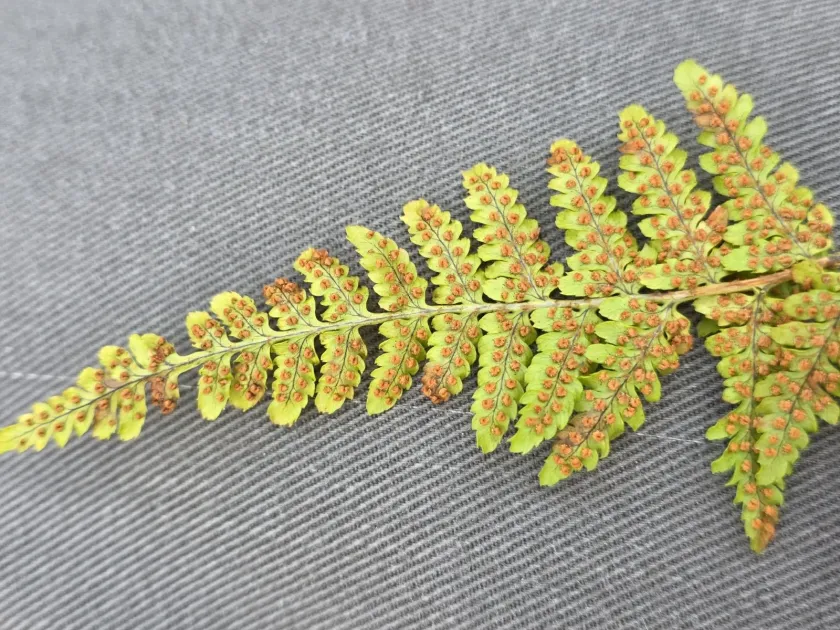
Description
Growing requirements
Dryopteris aemula, commonly known as the hay-scented buckler fern, belongs to the Dryopteridaceae family. It is a perennial fern species native to the Atlantic regions of Europe, where it thrives in cool, damp, and sheltered woodland habitats.
The plant requires a shaded or semi-shaded environment to maintain its delicate, tri-pinnate fronds. It is highly intolerant of direct afternoon sun, which can easily scorch its foliage and cause permanent damage to the plant's delicate architecture.
Soil requirements involve a moist, acidic to neutral, well-draining medium. Incorporating leaf mold or peat moss into the soil can provide the ideal structure and nutrient balance necessary for the root system to expand effectively throughout the season.
Botanically, this species is noted for the hay-like scent released when its fronds are crushed, giving it its common name. The fronds have a distinct, crisp, and triangular appearance with finely divided, slightly upward-curving segments that provide a unique texture.
Cultural care focuses on maintaining high humidity and steady moisture levels. In garden settings, placing this fern near water features or in the heart of a shaded border is recommended to emulate its natural habitat and ensure long-term vitality.
Main diseases and pests
Pests such as aphids and spider mites can occasionally affect the fern, especially if the air humidity is too low. Regularly checking the undersides of the fronds is essential for early detection and mitigation of these potential infestations.
Diseases like root rot are common when the drainage is insufficient, leading to waterlogged soil conditions. Ensuring a porous substrate and avoiding heavy, clay-based soils is the best preventative measure against soil-borne pathogens.
Fungal leaf spots can develop in stagnant, humid air. Promoting good airflow through spacing and selective pruning of overcrowded fronds can significantly reduce the incidence of fungal issues and maintain the plant’s decorative value.
Slugs and snails can be problematic for young, emerging croziers in the spring. Implementing environmentally friendly deterrents or manual removal helps protect the new growth without relying on harsh chemical applications that could harm the fern.
General maintenance, including the removal of old, necrotic fronds before the new season starts, is a critical step. This not only cleans the plant but also removes potential overwintering sites for various pests and fungal spores.