
Villars' Male Fern
Dryopteris villarii
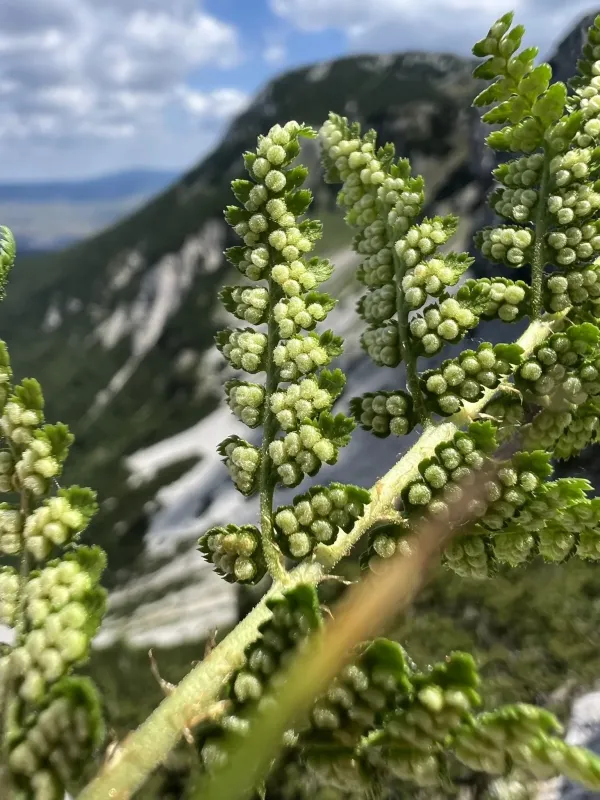
Description
Growing requirements
Villars' Male Fern (Dryopteris villarii) is a perennial fern species belonging to the family Dryopteridaceae. It is a distinctive high-altitude plant naturally occurring in the rocky crevices of limestone mountains in Europe.
The species is well-adapted to harsh mountainous environments, characterized by cool temperatures and significant mineral content in the soil. Its natural distribution is primarily centered in the Alps and other European mountain ranges.
Botanically, this fern displays compact rosettes of leathery, glandular fronds. The structural integrity of the plant is maintained by a stout, slow-growing rhizome that is highly effective at anchoring the plant in steep, rocky slopes.
In cultivation, this species thrives in well-draining, calcareous soils. It is essential to replicate its natural lithophytic habitat by providing a substrate enriched with limestone chippings and maintaining a neutral to slightly alkaline pH.
Positioning is crucial for the success of Dryopteris villarii. It requires partial shade with protection from intense, direct sunlight, which can scorch the fronds. Adequate air circulation around the crown is necessary to prevent physiological stress.
Main diseases and pests
The primary threat to the health of Villars' Male Fern is waterlogging. Given its adaptation to rocky habitats, any accumulation of standing water in the root zone quickly triggers rot and fatal fungal diseases.
Gastropods, particularly slugs and snails, are frequent pests that target the emerging fronds during the early spring. Monitoring and barrier protection are recommended to prevent significant damage to the plant's decorative foliage.
Foliar diseases, including various leaf spot fungi, may appear if humidity levels remain constantly high without sufficient airflow. Maintaining a clean garden environment and removing infected tissue can help manage these issues.
Pests such as scale insects or spider mites can occasionally be problematic in greenhouse or dry, hot garden conditions. Regular cleaning of the foliage and appropriate humidity levels act as effective deterrents.
In winter, the plant is hardy but sensitive to prolonged saturation of the crown. Proper drainage design is the most critical factor in mitigating the risk of winter losses in colder climates.