
Japanese shield fern
Dryopteris varia
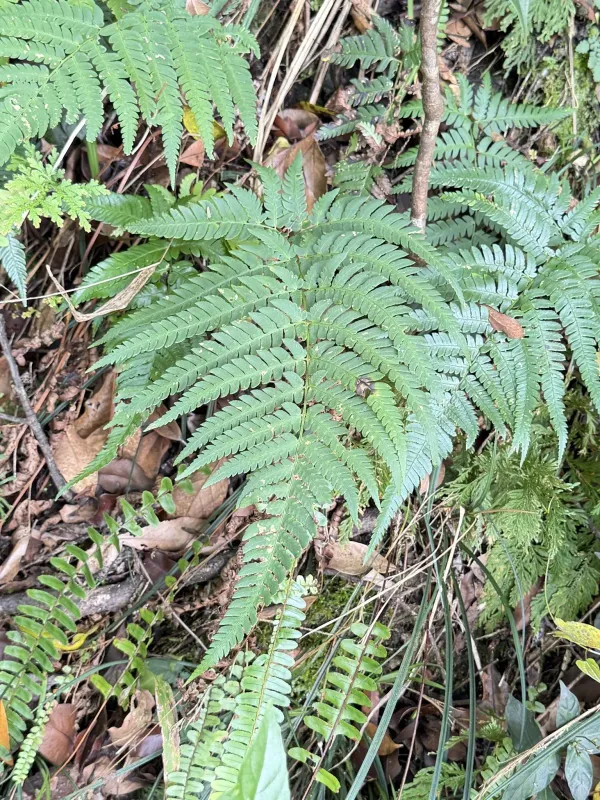
Description
Growing requirements
The Japanese shield fern (Dryopteris varia) is a distinctive perennial member of the Dryopteridaceae family. It is widely recognized for its semi-evergreen habit and glossy, coriaceous fronds that often display attractive bronze or copper hues when unfurling in the spring.
Native to East Asia, specifically Japan, China, and Korea, this species thrives in forest understories. Its natural habitat is characterized by high humidity, sheltered locations, and nutrient-rich, well-drained soils, which form the baseline for its successful cultivation.
In terms of agricultural requirements, the fern performs best in partial to full shade. Direct sunlight should be avoided, as it can cause desiccation and leaf scorching, negatively impacting the plant's aesthetic appeal and overall health.
Soil management for Dryopteris varia requires a balanced approach. The medium must be consistently moist yet well-draining to prevent root asphyxiation. Incorporating organic matter such as leaf mold or compost is highly recommended to improve soil texture and moisture retention.
The primary use of this plant is ornamental, serving as a staple in shade gardens, woodland borders, and rockeries. Its ability to maintain structural beauty throughout many seasons makes it a preferred choice for landscape architects designing sustainable, low-maintenance garden spaces.
Main diseases and pests
Root rot is the most significant pathological threat to this culture, usually precipitated by improper drainage or excessive irrigation. Ensuring adequate soil aeration and avoiding waterlogged conditions are critical preventative measures for maintaining root health.
Pest pressure mainly comes from spider mites and scale insects, particularly when the ambient humidity is too low. Consistent monitoring of the underside of the fronds allows for early detection, which is vital for implementing effective management strategies and preserving the foliage.