
Tyrrhenian shield fern
Dryopteris tyrrhena
Description
Growing requirements
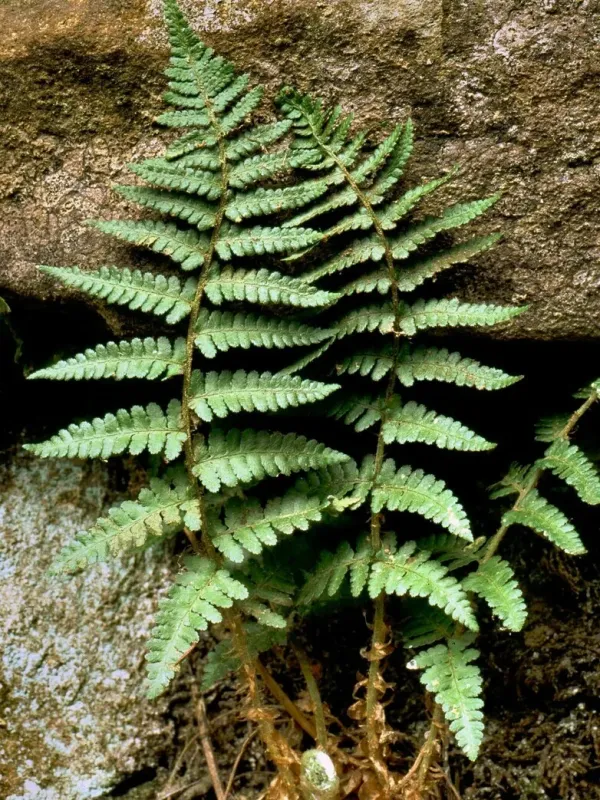
The Tyrrhenian shield fern (Dryopteris tyrrhena) is a distinctive perennial fern species belonging to the family Dryopteridaceae. This plant is native to the western Mediterranean basin, where it thrives in specific island microclimates, particularly within the rocky crevices of Corsica and Sardinia.
The botanical structure of this fern includes a stout rhizome and elegant, lanceolate fronds that form a robust basal rosette. Its growth habit is adapted to cool, humid environments, making it a specialized species that does not tolerate harsh industrial-scale agricultural conditions but excels in niche gardening.
Regarding climatic requirements, the plant demands protection from extreme temperature fluctuations. It flourishes in regions with mild winters and high humidity levels, often requiring extra protection against frost if planted in non-Mediterranean temperate zones.
Soil quality is paramount for its development; the fern requires a well-draining, acidic growing medium rich in organic leaf mold. It should never be planted in heavy clay soils, as the lack of aeration at the root zone can lead to rapid decline in plant vigor.
In terms of practical application, this fern is highly valued in the horticultural industry for shade-themed garden design. It serves as an excellent companion plant for hostas, heucheras, and other moisture-loving perennials in woodland-style landscapes or shaded rock gardens.
Main diseases and pests
The primary threats to Dryopteris tyrrhena are fungal pathogens such as Rhizoctonia or Pythium, which thrive in poorly drained substrates. Maintaining correct moisture levels is the most effective way to prevent these root-related health issues.
Pest pressures are generally low, but slugs and snails can cause significant aesthetic damage to the developing fronds during the spring growth phase. Additionally, in very dry conditions, the plant may become susceptible to spider mite infestations, necessitating consistent hydration to maintain leaf health.