
Rigid buckler-fern
Dryopteris submontana
Description
Growing requirements
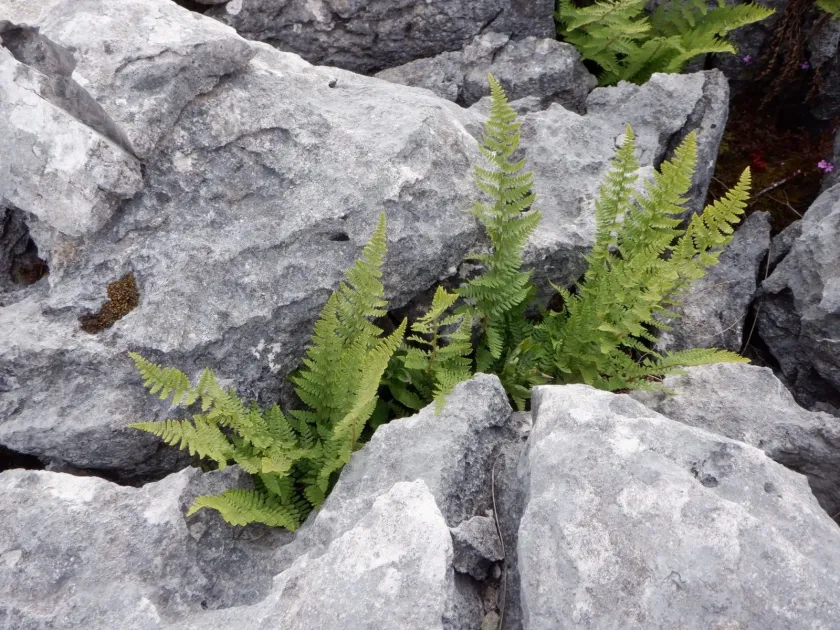
The rigid buckler-fern (Dryopteris submontana) is a perennial fern species belonging to the Dryopteridaceae family. It is natively distributed across mountain ranges in Europe, typically found growing in crevices of limestone cliffs and rocky scree slopes.
Botanically, this species is distinguished by its stiff, evergreen, or semi-evergreen fronds that form compact, symmetrical crowns. Its ability to thrive in calcareous environments sets it apart from many other shade-loving ferns.
When cultivating this fern, it is essential to provide a well-draining substrate. Because it naturally grows on limestone, a slightly alkaline or neutral soil pH is highly recommended for optimal development and healthy leaf color.
Light requirements for Dryopteris submontana involve partial to full shade. While it can withstand some light, intense afternoon sun is detrimental, often causing leaf scorching and significant stress to the root system.
Regarding moisture, the plant requires consistent, moderate watering. It is crucial to ensure that the crown is not constantly saturated, as this leads to root rot. A layer of stone mulch is often used to keep the crown dry while maintaining soil moisture.
Main diseases and pests
The primary threats to the rigid buckler-fern are related to poor drainage and high humidity levels. Excessive soil moisture often invites fungal infections that target the rhizomes and can kill the plant if left untreated.
Slugs and snails are the most common pests, as they find the tender, emerging fronds particularly attractive during the spring season. These can quickly defoliate a plant if not managed promptly.
To control pest populations, gardeners often employ physical barriers like crushed shells or copper tape around the base of the plant. Biological control methods are generally preferred to maintain the health of the surrounding ecosystem.
Prevention of diseases involves maintaining good airflow around the fern. Dense plantings should be avoided to prevent micro-climates where humidity levels become high enough to trigger fungal outbreaks.
Sanitation is key to a healthy fern garden. Regularly removing dead fronds and clearing debris from the base of the plant prevents the accumulation of pathogens that could lead to subsequent infection cycles.