
Shining Shield Fern
Dryopteris splendens
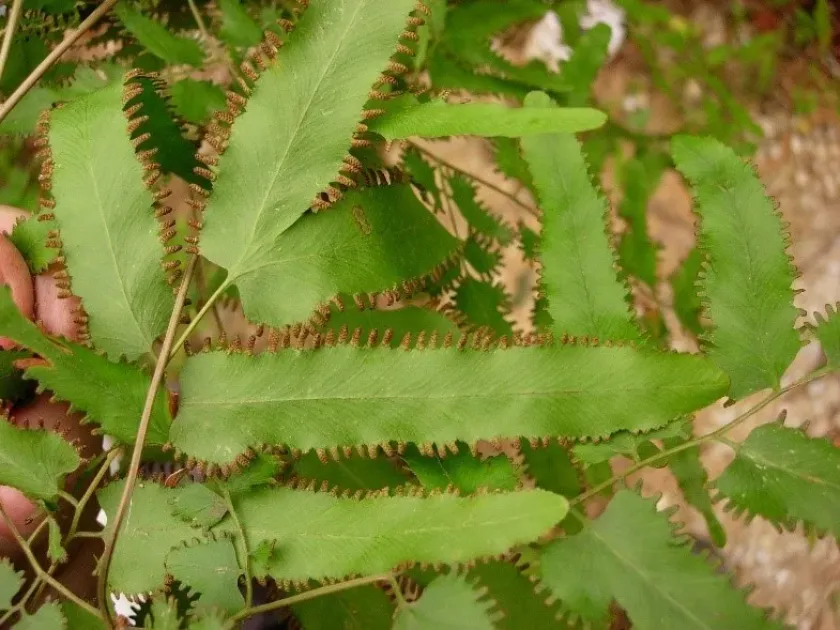
Description
Growing requirements
The Shining Shield Fern (Dryopteris splendens) belongs to the Dryopteridaceae family and is a prized ornamental plant characterized by its glossy, textured fronds. Native to humid woodland environments, it thrives in shaded areas protected from intense sunlight.
The plant exhibits a slow-growing habit with a sturdy rhizome, making it a reliable perennial for shaded garden beds. Its botanical morphology is well-adapted to environments with consistent moisture and high organic matter content in the soil.
For successful growth, this species requires a rich, well-draining soil with a slightly acidic pH. Incorporating leaf mold or well-rotted compost into the planting hole provides the necessary nutrients and improves the moisture-retention properties of the substrate.
Climate requirements include protection from drying winds and harsh afternoon sun, which can scorch the delicate foliage. Ideally, it should be situated in a sheltered spot where the humidity remains relatively high throughout the growing season.
Ongoing maintenance involves keeping the soil consistently moist but never waterlogged. During dry spells, supplemental irrigation is essential to ensure the fern remains vibrant and avoids leaf tip browning.
Main diseases and pests
Common pests include aphids and scale insects, which can congregate on the undersides of the fronds. Regular monitoring and, if necessary, the application of horticultural oils can effectively manage these populations.
Fungal issues, such as root rot, are typically associated with poor drainage or excessive soil compaction. Ensuring the planting medium remains aerated is the most effective preventative measure against these pathogens.
Foliar diseases, including various leaf spots, may occur if the foliage remains wet for extended periods in poor light conditions. Improving air circulation around the plants is critical for disease suppression.
Small mammals and slugs may occasionally disturb the crown of the fern, particularly during the emergence of new growth in the spring. Protective collars or non-toxic bait can be used to mitigate this damage.
Integrated pest management protocols, including seasonal cleanup of dead fronds and debris, prevent the overwintering of spores and pests, ensuring the longevity and health of the fern collection.