
Siebold's wood fern
Dryopteris sieboldii
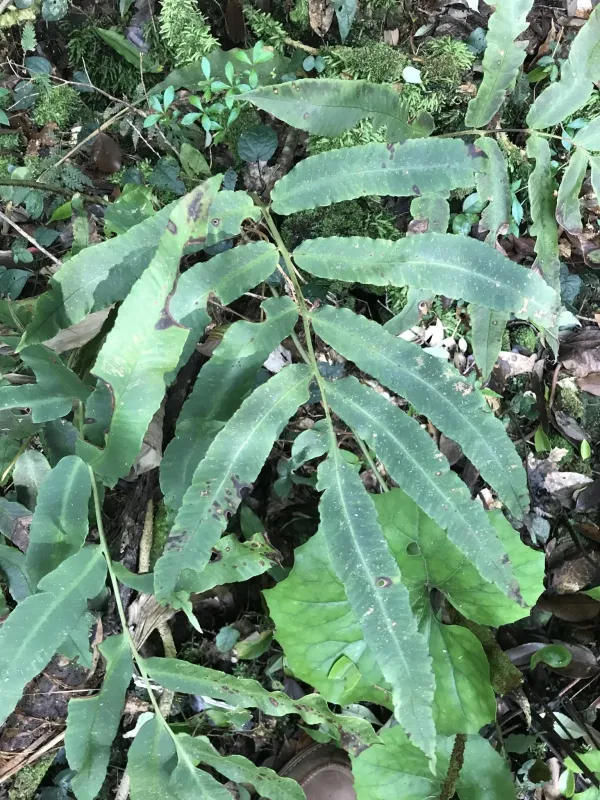
Description
Growing requirements
Siebold's wood fern (Dryopteris sieboldii) is a perennial ornamental plant belonging to the Dryopteridaceae family. It originates from East Asia, specifically Japan and China, where it thrives in shaded and humid forest floor environments.
Botanically, this species is distinguished by its leathery, dark green fronds that are often unlobed or have few pinnae, providing a distinct appearance compared to more common, feathery fern varieties. The plant grows in a compact, rosette-like habit.
The crop requires fertile, well-draining soil with a slightly acidic pH level. High levels of organic matter, such as leaf mold or compost, are highly beneficial for promoting healthy growth and maintaining optimal root moisture.
Agricultural management involves ensuring the plant is kept in partial to full shade, as intense afternoon sunlight can scorch the foliage. Regular irrigation is necessary to keep the soil consistently moist, especially during active growth periods.
Its primary use is in ornamental horticulture. Siebold's wood fern is highly prized in landscape design for shady borders, woodland gardens, and container arrangements, adding structural beauty and a tropical aesthetic to temperate gardens.
Main diseases and pests
The plant is generally robust, but it can be susceptible to root rot if the soil remains waterlogged for extended periods. Ensuring a proper drainage system is the most effective preventative measure against fungal pathogens.
Common pests include slugs and snails, which feed on new, tender growth during the spring. In environments with low humidity, spider mites can occasionally affect the plant, requiring localized treatment or increased moisture levels.