
Scaly male fern
Dryopteris remota
Description
Growing requirements
Dryopteris remota, commonly known as the scaly male fern, is a perennial fern belonging to the Dryopteridaceae family. This species is recognized for its unique hybrid origin and its preference for damp, shaded woodland environments, making it a valuable addition to shaded gardens.
The plant thrives in cool, sheltered spots with partial to full shade. It requires protection from strong winds and intense afternoon sun, which can dehydrate the foliage quickly. In garden settings, it is best placed under the canopy of deciduous trees to mimic its natural habitat.
Soil requirements focus on high organic matter content and consistent moisture levels. The substrate should be well-drained but rich in humus, with a slightly acidic to neutral pH. Regular monitoring of soil moisture is essential during the active growing season to prevent leaf wilt.
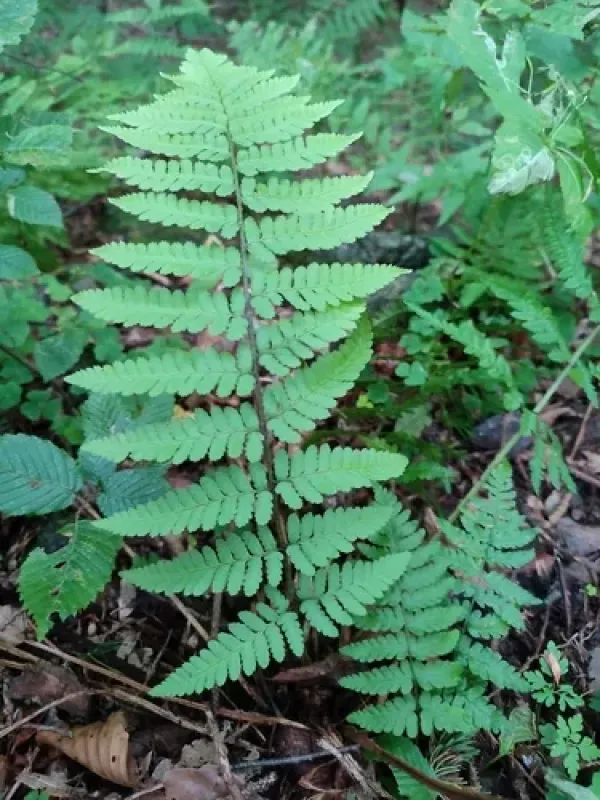
Botanically, it features upright or arching fronds that can grow up to a meter in length. The root system consists of a robust rhizome covered in scales, which allows the plant to overwinter effectively in temperate climates when provided with adequate cover.
Economically and aesthetically, the scaly male fern is primarily used in ornamental horticulture. Its deep green foliage provides excellent texture contrast in shade beds, woodland gardens, and alongside water features where it can benefit from naturally occurring ambient humidity.
Main diseases and pests
Slugs and snails are the most frequent pests, particularly in spring when tender new fronds emerge from the rhizome. Gardeners often use organic barriers like crushed shells or specific nematode treatments to protect the young growth from severe damage.
Fungal diseases such as leaf spots can occur when the foliage remains wet for extended periods in stagnant air. Providing adequate spacing between plants is a critical cultural practice to ensure good air circulation and minimize the risk of infection.
Red spider mites may infest the plant during prolonged dry spells or in environments where the air is too arid. Increasing humidity through surrounding plantings or regular light misting can help deter these pests and maintain frond vigor.
Crown rot is a serious threat caused by overly saturated soil or poor drainage conditions. It is imperative to avoid planting too deeply and to ensure the crown of the fern remains slightly above the soil surface to allow for proper gas exchange.
Winter damage is generally minor but can occur if exposed to harsh, drying winds. Applying a layer of mulch in late autumn helps protect the rhizomes from rapid freeze-thaw cycles, ensuring a healthy and vigorous flush of growth in the following spring.