
Dryopteris pseudofilix-mas
Dryopteris pseudofilix-mas
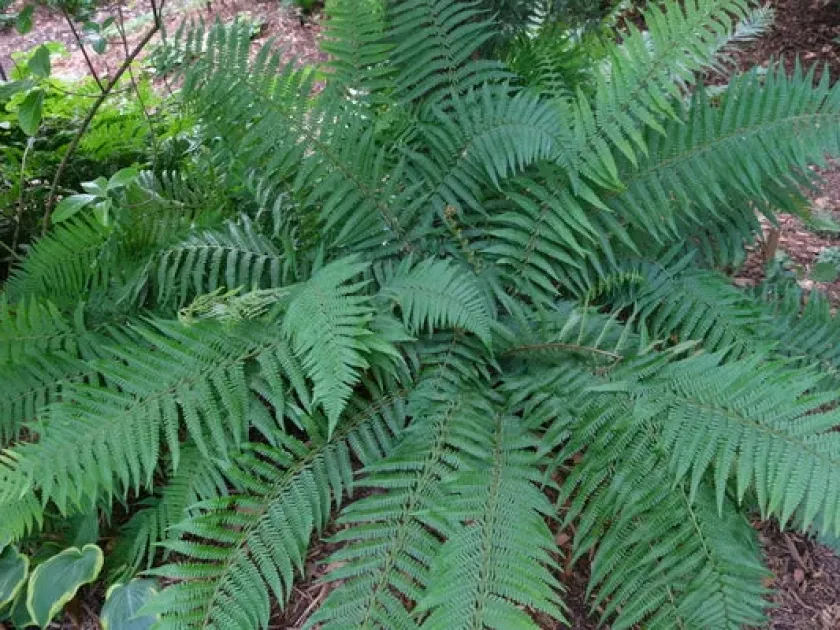
Description
Sowing dates
Propagation of Dryopteris pseudofilix-mas in nurseries is typically performed via division of mature rhizomes or through spores. Division is best executed in early spring or autumn to ensure the plant establishes quickly before seasonal extremes.
When propagating from spores, it is essential to use a sterilized medium such as a mix of peat and sand. Maintaining high humidity is critical throughout the germination process to ensure the development of prothallia.
The ideal temperature for spore germination ranges between 20 and 22 degrees Celsius. During this stage, protection from direct sunlight is necessary to prevent the sensitive prothallia from drying out or sustaining heat damage.
Transplanting young plants into open garden soil should occur after all danger of frost has passed. This timing allows the ferns to acclimate to the environment before the onset of intense summer heat.
For landscape planting, a spacing of 40 to 60 centimeters between plants is recommended. This spacing provides enough room for the mature fronds to develop fully while creating a dense, lush effect in garden beds.
Growing requirements
Dryopteris pseudofilix-mas is a hardy perennial fern belonging to the Dryopteridaceae family. It naturally inhabits forest ecosystems, where it thrives in moist, shaded environments enriched with decaying organic matter.
The plant demands consistently moist soil conditions. While it requires moisture, it is also sensitive to waterlogged environments, making proper drainage an essential part of soil preparation in clay-heavy regions.
The optimal soil pH is slightly acidic to neutral. Incorporating compost or well-rotted leaf mold significantly enhances soil structure and fertility, supporting the vigorous growth of the fern's vegetative mass.
This species is well-adapted to temperate climates and demonstrates excellent winter hardiness. However, in regions prone to extreme, snowless winters, a protective layer of mulch around the base is beneficial.
Shade or partial shade provides the best conditions for this fern. Excessive direct sunlight can cause leaf scorching and reduce the overall aesthetic value of the fronds, which are the main ornamental feature of the plant.
Main diseases and pests
Slugs and snails are the most common pests affecting this fern, particularly during the growth of tender new fronds. Biological controls or targeted slug pellets are often required to minimize leaf damage in garden settings.
Fungal issues, such as gray mold, may develop if the plant is subjected to poor air circulation and excessive moisture. Proper spacing during planting is a primary preventative measure against such diseases.
Spider mites can occasionally infest the plant during periods of prolonged heat and low humidity. Regular misting and monitoring are recommended to detect and treat these pests before they spread across the foliage.
Scale insects might occasionally appear on the underside of the leaves. Manual removal or the application of appropriate systemic insecticides can effectively manage small outbreaks and keep the foliage healthy.
Proactive care, including monitoring for early signs of stress and maintaining the recommended planting distance, ensures that the ferns remain resilient against common horticultural threats.