
Mountain wood fern
Dryopteris oreades
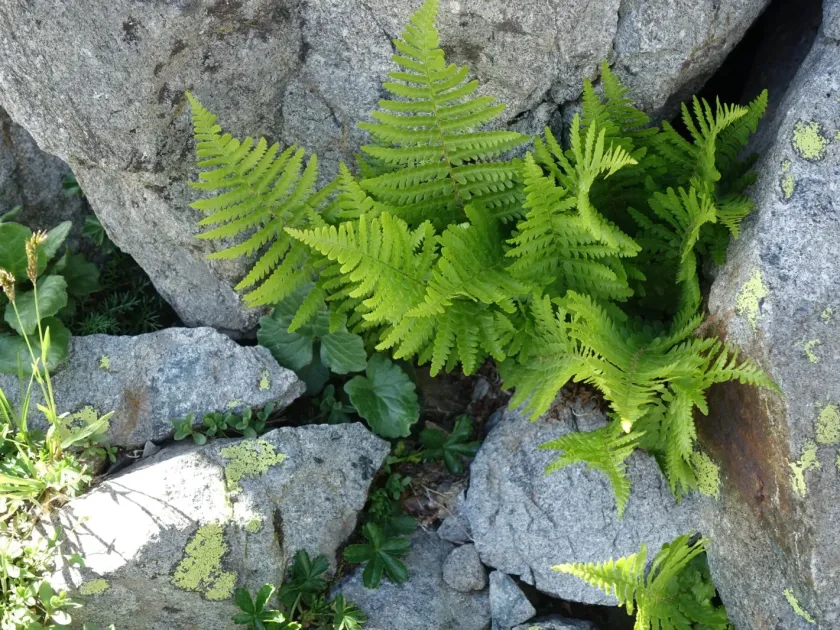
Description
Growing requirements
The mountain wood fern is a perennial plant belonging to the Dryopteridaceae family. This species is native to mountainous regions, where it typically thrives in rocky terrains, mountain slopes, and crevices.
Successful cultivation of this fern depends heavily on soil drainage. The root system is particularly sensitive to waterlogging, necessitating a substrate that allows for quick drainage while maintaining consistent moisture.
In terms of light exposure, the species performs best in partial to full shade. Direct exposure to intense sunlight can damage the fronds, leading to dehydration and loss of the plant's characteristic deep green color.
The ideal growing medium should be porous, rich in organic matter, and slightly acidic. Incorporating grit or coarse sand into the potting mix or garden soil is essential to mimic the plant's natural rocky environment.
This fern is exceptionally cold-hardy, well-adapted to surviving harsh winters in high-altitude zones. It does not require intensive protection from frost, making it a reliable choice for temperate garden environments.
Main diseases and pests
Root rot is the most significant threat to the mountain wood fern, usually resulting from over-irrigation or poorly drained soils. Managing soil moisture is the primary preventative measure for this condition.
Pests such as spider mites may infest the plant during prolonged dry spells. These mites thrive in dry conditions and can cause significant damage to the fronds if left unchecked, requiring consistent monitoring.
Slugs and snails often feed on the new foliage, causing aesthetic damage. The use of biological barriers or physical traps around the planting site is a standard practice to mitigate these infestations.
Fungal leaf spot diseases can develop in areas with poor ventilation and high humidity. Ensuring proper spacing between plants is crucial for maintaining an environment that is unfavorable to fungal growth.
Maintaining high plant vigor through proper site selection is the best defense against pathogens. If an infection is detected, affected fronds should be promptly removed to prevent the spread of the disease.