
Dryopteris maximowicziana
Dryopteris maximowicziana
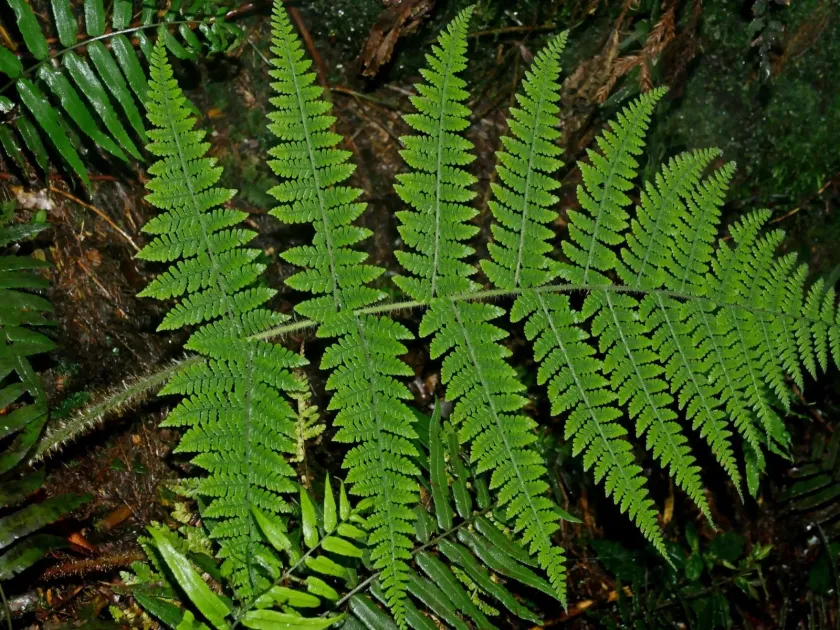
Description
Growing requirements
Dryopteris maximowicziana, commonly known as the Maximowicz wood fern, is a perennial plant belonging to the Dryopteridaceae family. Native to East Asia, it has become a popular choice for shade gardens worldwide due to its architectural beauty and resilience.
The plant features distinct, finely divided fronds that form a vase-like rosette. Its rhizomes are sturdy and well-adapted to surviving in forest leaf litter, making it a robust choice for perennial border plantings in temperate climates.
Cultivation requirements include a shaded to partial-shade location with moist, humus-rich soil. It thrives best in environments that mimic forest floors, where soil moisture remains consistent and organic matter content is relatively high.
This fern is relatively low-maintenance once established, requiring little more than occasional moisture monitoring during prolonged droughts. It is well-suited for temperate regions, showing good winter hardiness when provided with adequate mulch.
In terms of хозяйственное использование (landscaping usage), this species is highly valued for its elegant texture and ability to stabilize soil in shaded areas. It serves as a perfect companion for other shade-loving perennials like hostas or astilbes.
Main diseases and pests
The primary threats to Dryopteris maximowicziana include sap-sucking insects like scales, which can weaken the fronds over time. If infestation occurs, horticultural oils or systemic insecticidal soaps can be applied as a management measure.
Fungal leaf spots may appear under conditions of poor air circulation and excessive humidity. Providing sufficient spacing between plants and avoiding overhead watering in the evenings can significantly reduce the risk of these pathogens spreading.
Root rot, a common issue for ferns in improperly drained sites, can cause significant damage. Ensuring the planting site has excellent drainage is the most effective preventative measure against this type of fungal decay.
Slugs and snails may target new, emerging fronds during the wet spring months. Implementing physical barriers like crushed eggshells or using organic molluscicides can protect the developing foliage from significant damage.
General maintenance, such as removing dead or damaged fronds after winter, helps keep the fern healthy and minimizes the habitat for potential pests or disease spores to persist in the garden.