
Leather woodfern
Dryopteris marginalis
Description
Growing requirements
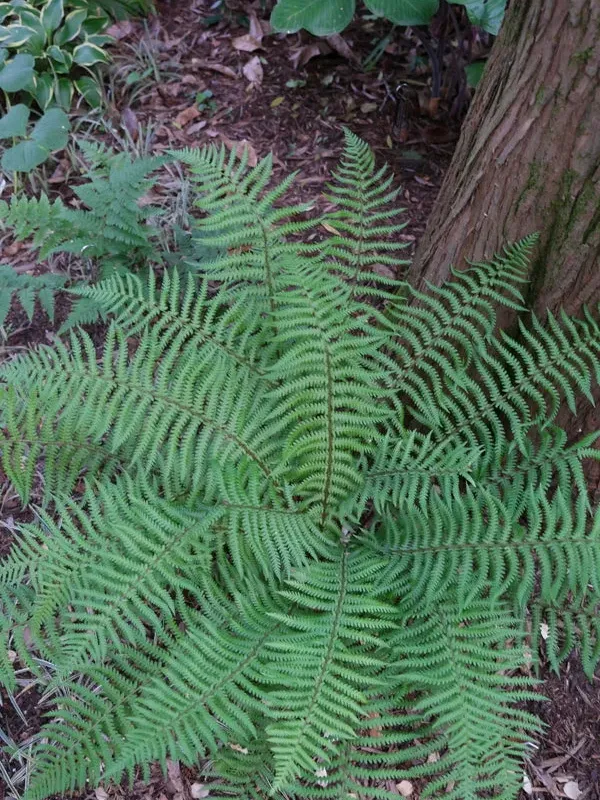
The Leather woodfern (Dryopteris marginalis) is a prominent member of the Dryopteridaceae family. Native to North America, this evergreen fern is widely recognized for its robust nature and its ability to thrive in shaded, rocky woodland environments.
Cultivation success depends on providing well-drained, humus-rich soil. While the plant appreciates consistent moisture, it does not tolerate waterlogged conditions, which can lead to rapid root rot. Ideally, the soil pH should be slightly acidic to neutral for optimal nutrient absorption.
Shade is essential for this species. In garden settings, it should be placed in areas shielded from harsh midday sun, such as under deciduous trees or on the northern side of a wall, to prevent the foliage from scorching and losing its characteristic deep green color.
Environmental requirements include a cool, humid atmosphere. In areas with low humidity, supplemental misting may be necessary during hot spells to maintain plant vigor. The fern is remarkably hardy and can withstand significant temperature drops once established in the ground.
Standard agrotechnical care involves mulching around the crown with organic matter, such as leaf mold or pine needles. This mimics the fern’s natural forest floor habitat, retaining moisture and suppressing weed growth while gradually providing nutrients to the roots.
Main diseases and pests
While the Leather woodfern is relatively resistant to pests and diseases, poor cultural practices often invite problems. Excessive soil moisture combined with poor drainage is the primary cause of crown rot, a condition that is often fatal to the specimen.
Slugs and snails are the most common pests, particularly during the spring when the new, tender fiddleheads are emerging. Implementing barriers or using biological controls is recommended if these gastropods become a significant issue in the garden.
Foliar diseases, such as leaf spots caused by fungal pathogens, may occur in stagnant or overly humid microclimates. Ensuring adequate air circulation between plants is the most effective preventative measure to keep the foliage healthy and free from infection.
Rarely, aphids or spider mites may infest the plant, usually under drought stress or in greenhouse conditions. Early detection through regular visual inspections allows for effective management using mild insecticidal soaps or neem oil solutions.
To ensure long-term health, growers should practice diligent sanitation. Removing old, dead, or diseased fronds at the end of the season prevents the overwintering of pathogens and maintains the plant's aesthetic appeal for the upcoming growing cycle.