
Southern wood fern
Dryopteris ludoviciana
Description
Growing requirements
The Southern wood fern (Dryopteris ludoviciana) is a perennial species belonging to the Dryopteridaceae family. Native to the southeastern United States, this fern is naturally adapted to moist, humid forests and swampy environments.
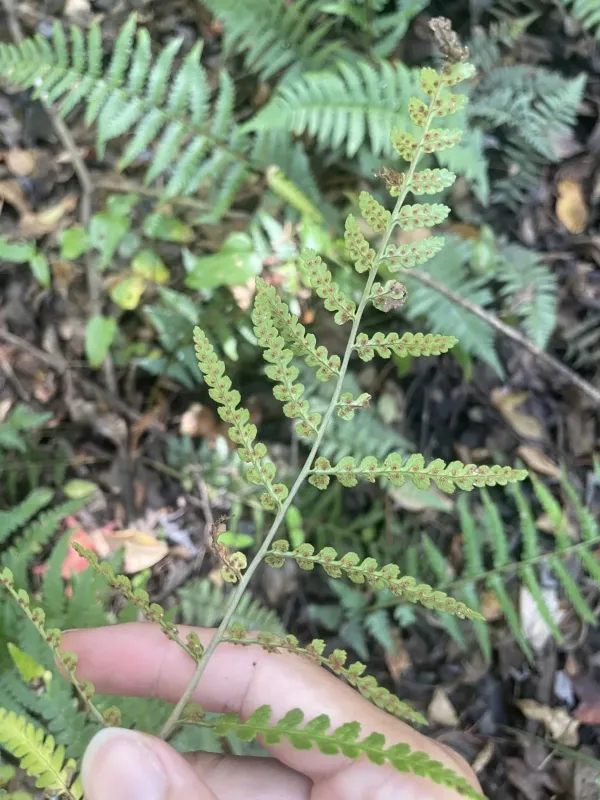
The plant features semi-evergreen fronds that have a sturdy, leathery texture, often growing up to three feet in height. It thrives by spreading through rhizomes, forming dense, attractive clusters that are highly prized in horticultural settings.
For successful cultivation, the soil must be rich in organic matter and consistently moist. It performs best in soils that are slightly acidic, which mimics the natural forest floor conditions where this fern typically develops.
Regarding light requirements, this species demands partial to full shade. Direct sunlight, especially in the afternoon, can cause the fronds to yellow or bleach, which significantly diminishes the plant's ornamental value.
Its primary use is in landscaping and garden design, particularly for woodland or fern-themed gardens. It is an excellent choice for stabilizing soil in damp areas or as a filler plant in shaded garden beds where few other plants can thrive.
Main diseases and pests
One of the primary threats to the Southern wood fern is root rot, typically caused by waterlogged soil. Ensuring adequate soil drainage and avoiding over-irrigation are the most effective preventive measures against fungal infections.
Pests such as scale insects and spider mites can occasionally affect the foliage, especially in environments where air circulation is poor. Frequent monitoring of the undersides of the fronds is recommended for early detection.
Slugs and snails present a significant nuisance during the spring when new fiddleheads are emerging. Using physical barriers like crushed eggshells or gravel can effectively discourage these pests from damaging the tender growth.
Fungal leaf spots may occasionally develop in high-humidity areas with stagnant air. Improving airflow through proper spacing of plants helps reduce the incidence and spread of these common fungal pathogens.
Maintaining plant vigor is key to resisting threats; healthy specimens grown in their preferred climate conditions are naturally more resilient to minor infestations and sporadic disease pressures.