
Kurata's Wood Fern
Dryopteris kuratae
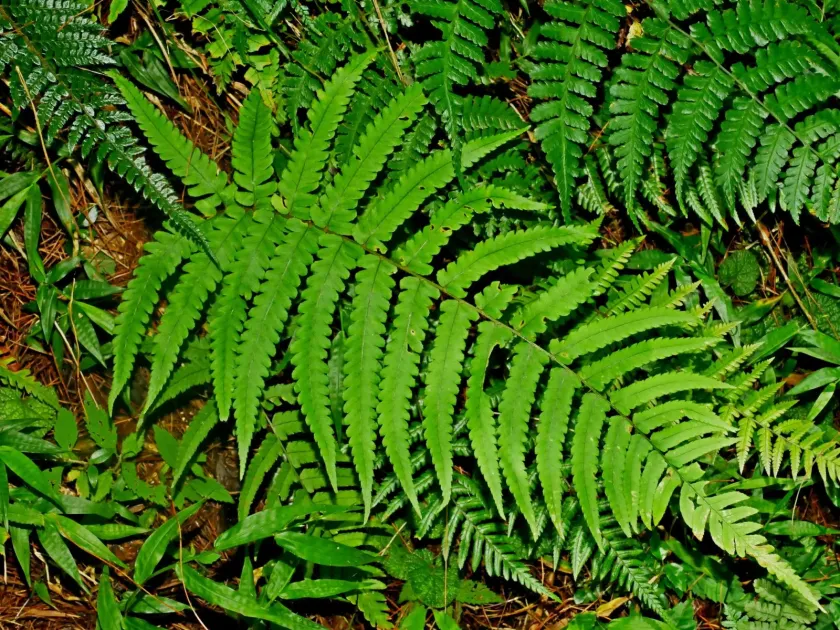
Description
Growing requirements
Kurata's wood fern (Dryopteris kuratae) is a perennial fern species belonging to the family Dryopteridaceae. It originates from specific forest regions in East Asia, where it thrives in stable, humid environments characterized by cool temperatures and significant canopy cover.
In terms of soil requirements, this species necessitates a rich, loose, and well-draining substrate with a slightly acidic pH. Proper water management is essential; the plant requires consistent moisture levels to thrive but is highly intolerant of waterlogged soil conditions, which can lead to crown rot.
The environmental needs for Dryopteris kuratae focus on shade and humidity. It should be grown in partial to full shade, avoiding direct, harsh sunlight. High ambient humidity is beneficial, making it an excellent candidate for sheltered woodland-style garden spots or temperate shade houses.
Cultivation practices involve regular mulching to keep the roots cool and moist. Since the fern is sensitive to environmental stressors, avoiding wind-exposed sites and ensuring a stable microclimate is crucial for achieving healthy, vigorous growth of the fronds.
The primary horticultural use of this species is ornamental. It is widely prized by fern collectors and landscapers for its elegant structure and fine texture, making it a perfect addition to rock gardens, shaded border plantings, and woodland landscapes.
Main diseases and pests
The main threats to Kurata's wood fern are fungal infections associated with poor drainage and excessive moisture around the rhizomes. These pathogens can cause rapid decay, particularly during seasons with high precipitation or in poorly aerated soils.
Pest issues primarily involve gastropods, such as slugs and snails, which can severely damage developing fronds. Additionally, in lower humidity conditions, spider mites may infest the foliage, requiring careful monitoring and management to maintain the plant's health.