
Koidzumi wood fern
Dryopteris koidzumiana
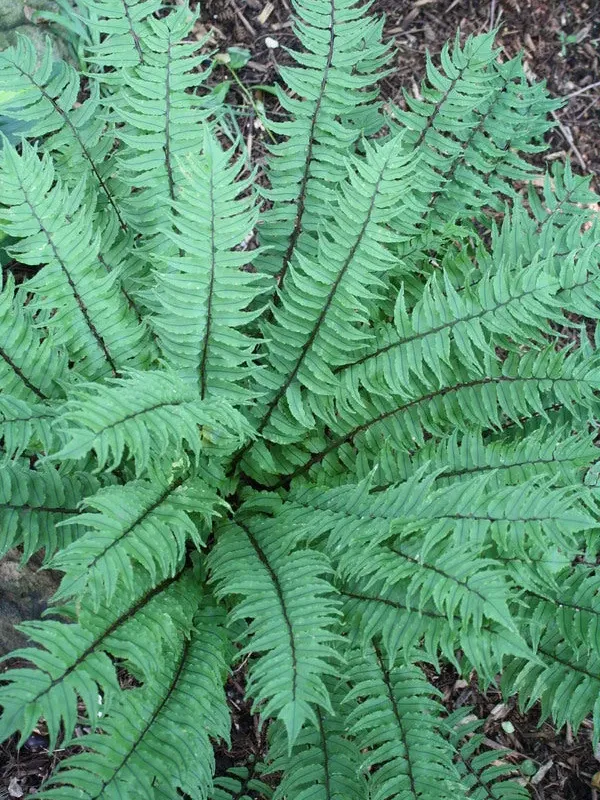
Description
Growing requirements
The Koidzumi wood fern (Dryopteris koidzumiana) is a charming perennial belonging to the Dryopteridaceae family. Native to East Asia, particularly Japan, this species is prized for its architectural form and ability to thrive in woodland environments.
The plant demands a location with partial to full shade to protect its fronds from dehydration and solar scorch. In garden settings, it performs exceptionally well when tucked under a dense canopy of trees or in the shadow of north-facing structures.
Soil quality is paramount for the health of Dryopteris koidzumiana. It requires a well-draining, acidic medium enriched with decomposed organic matter, such as peat moss or leaf compost, which mimics the natural forest floor conditions it prefers.
Consistent soil moisture is essential, especially during the active growing season. While the fern appreciates water, it must be balanced with aeration; heavy or waterlogged soil will almost certainly lead to crown rot and long-term decline.
In terms of maintenance, this species is relatively low-care once established. It is recommended to leave the old fronds over the winter to provide natural protection for the crown, removing them only in early spring just before new growth emerges.
Main diseases and pests
Slugs and snails are the most common pests for Koidzumi wood fern, especially in wet, shaded areas. They are known to chew holes in the emerging fronds, so implementing physical barriers like copper tape or using iron phosphate baits is highly advisable.
Fungal pathogens such as Phytophthora can cause root rot if the drainage is insufficient. To mitigate this risk, avoid planting the fern too deeply and ensure that water does not sit at the base of the crown for extended periods.
Leaf spot diseases can occur during periods of high humidity and poor airflow. Managing the microclimate by thinning out surrounding vegetation and removing damaged fronds can significantly reduce the incidence of these fungal infections.
In hot and dry summers, the fern may become susceptible to spider mites. These pests thrive in dry conditions and suck sap from the foliage, causing a mottled appearance; increasing humidity or using horticultural soaps can effectively control them.
Root-knot nematodes are less common but can be devastating if present. To prevent infestation, always source your plants from reputable nurseries and ensure that the planting site has not been previously occupied by highly susceptible host plants.