
Intermediate wood fern
Dryopteris intermedia
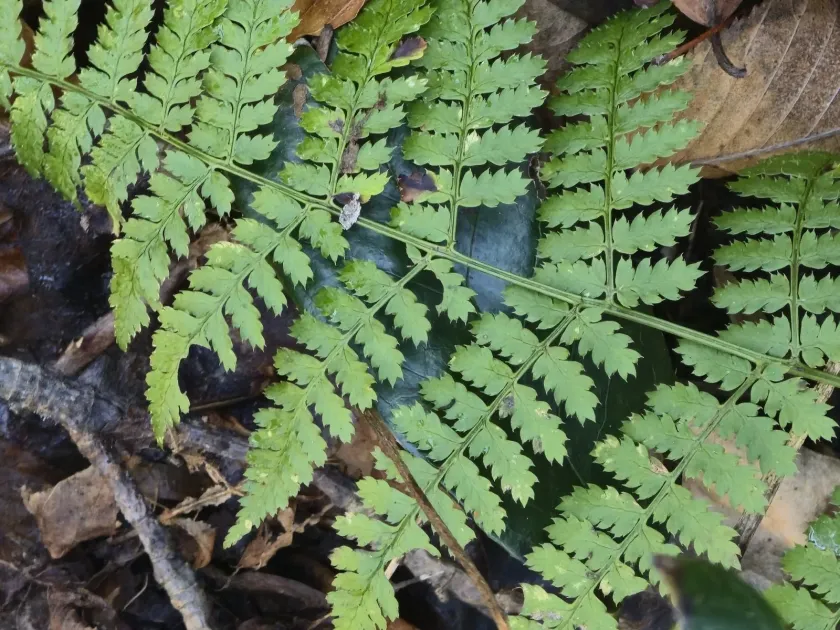
Description
Growing requirements
The intermediate wood fern (Dryopteris intermedia) is a member of the Dryopteridaceae family. Native to North American forests, it is a rhizomatous perennial fern known for its elegant, lacy fronds that provide a lush appearance in shaded landscape settings.
This species thrives in shade to partial shade conditions. It is essential to avoid direct sunlight, as excessive exposure can scorch the delicate foliage and inhibit the plant's ability to maintain its characteristic deep green color.
The fern requires consistently moist, well-drained, and organic-rich soil. It performs best in soils with a slightly acidic pH, mimicking the natural conditions found on the forest floor where it originates.
Cultural practices include regular watering during dry spells and ensuring the substrate does not become compacted. Providing a layer of organic mulch helps retain moisture and promotes the healthy development of the rhizomes.
Dryopteris intermedia is appreciated for its hardiness. Once established, it is relatively low-maintenance, requiring minimal intervention aside from occasional cleaning of dead fronds after the dormant season.
Main diseases and pests
The primary threat to the intermediate wood fern is waterlogged soil, which creates an anaerobic environment leading to root rot and eventual plant decline.
Slugs and snails are the most common pests, particularly during the spring when new fronds, known as fiddleheads, are unfurling and vulnerable to damage.
Fungal leaf spot diseases can occur if the humidity is excessively high and airflow around the plants is obstructed by overcrowding or poor site selection.
Maintenance to prevent disease involves ensuring adequate space between plants to encourage air circulation and avoiding overhead watering that keeps the fronds wet for long periods.
In case of pest outbreaks, manual removal or the application of iron phosphate baits is typically recommended to keep the fern's health intact while maintaining environmental safety.