
Mixed woodfern
Dryopteris immixta
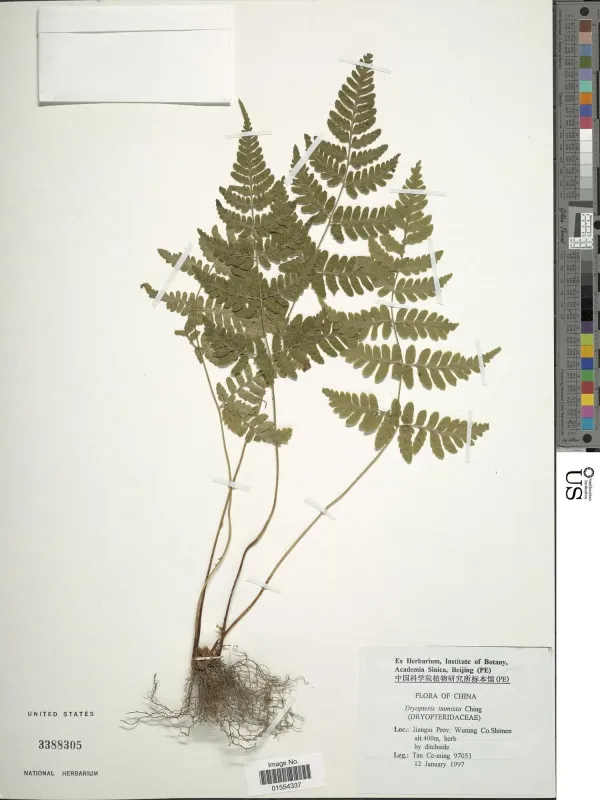
Description
Growing requirements
Dryopteris immixta, commonly known as the mixed woodfern, is a perennial fern belonging to the Dryopteridaceae family. It is widely recognized for its delicate fronds and robust growth habit, making it an excellent candidate for shaded garden areas and woodland landscapes.
Originating from the forest regions of East Asia, this species thrives in environments characterized by high humidity and temperate climates. When cultivating this plant, it is essential to replicate its natural forest floor habitat to ensure longevity and health.
The cultural requirements demand humus-rich, well-draining soil with a slightly acidic to neutral pH level. Proper soil preparation involves incorporating organic matter to improve moisture retention while preventing the risk of waterlogging, which the fern is sensitive to.
Light management is crucial; the fern performs best in partial shade or filtered sunlight. Direct exposure to intense midday sun should be avoided at all costs, as it will lead to leaf scorch and dehydration of the fronds, significantly reducing their aesthetic appeal.
Maintenance involves ensuring consistent soil moisture throughout the growing season. In drier climates, supplemental irrigation or the use of mulch around the root zone is highly recommended to maintain consistent moisture levels and create a stable microclimate.
Main diseases and pests
Like many ornamental ferns, the mixed woodfern is susceptible to certain pathogens if environmental conditions are not ideal. Root rot and various fungal leaf spot diseases are the most common issues, typically triggered by poor drainage and excessive air humidity without ventilation.
Pest pressures are generally manageable but can include snails and slugs, which are particularly attracted to the tender, emerging fronds during early spring. In some cases, spider mites may become a problem during periods of prolonged heat and low humidity.
Effective management strategies include maintaining proper spacing between plants to encourage good airflow, which significantly reduces the humidity levels that favor fungal growth. Regularly clearing debris from the base of the plant is also a vital sanitary practice.
If chemical intervention becomes necessary, gardeners should use products specifically labeled for use on ornamental ferns, ensuring they are applied according to the manufacturer's guidelines to prevent phytotoxicity.
Integrated pest management, including the use of barriers against mollusks and keeping the plant hydrated, provides the best defense against potential threats, ensuring the mixed woodfern remains a vibrant feature of the landscape.