
Hybrid wood fern
Dryopteris hybrids
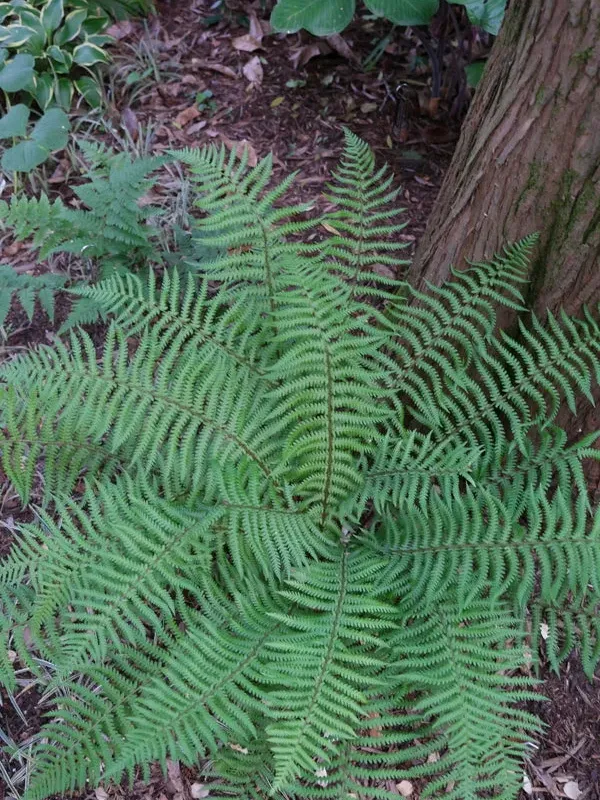
Description
Sowing dates
Propagation of the hybrid wood fern is primarily achieved through division of the rootstock. This process is most successful in early spring or autumn when the soil is moist and the air is cool.
When dividing, carefully extract the clump and separate it into sections, each retaining healthy roots and several growing points. Replant immediately into prepared soil amended with leaf mold.
Spores can also be collected from mature fronds and sown in a controlled environment. A sterile growing medium, such as milled sphagnum peat, is essential to prevent contamination.
Keep the sowing containers in a warm, humid environment with indirect light. Germination and development into young fernlings is a slow process that requires patience and precision.
Once the young ferns have established their root systems, harden them off in a sheltered location before transplanting them into their permanent garden positions.
Growing requirements
Hybrid wood ferns belong to the Dryopteridaceae family and are highly prized for their architectural beauty and adaptability in various garden landscapes.
They thrive in well-drained, humus-rich soil that mimics the forest floor environment. Incorporating significant amounts of organic matter helps retain the necessary moisture.
Consistent soil moisture is critical; however, the soil must remain aerated. Avoiding waterlogged areas is essential to prevent root rot in these perennial plants.
These ferns require shade or dappled sunlight. Direct sun exposure, particularly during peak afternoon hours, is detrimental and will cause frond scorch.
In terms of maintenance, a layer of mulch helps regulate soil temperature and conserve humidity throughout the growing season, promoting vigorous growth.
Main diseases and pests
Leaf nematodes represent a significant threat to hybrid wood ferns. Infested plants show browning between the veins, which eventually spreads across the entire leaf surface.
Fungal infections such as Botrytis blight may occur during periods of prolonged wet weather. Ensuring good air circulation around the plants is the primary preventive measure.
Slugs and snails are major pests that feed on the tender emerging fronds. Implementing physical barriers like copper tape or using biological control agents is highly recommended.
Scale insects and aphids can sometimes be found on the undersides of the fronds. Regular inspection and the use of horticultural oils can keep these populations in check.
Proper sanitation, including the removal of dead or decaying foliage at the end of the season, significantly reduces the overwintering sites for various pests and pathogens.