
Goering's wood fern
Dryopteris goeringiana
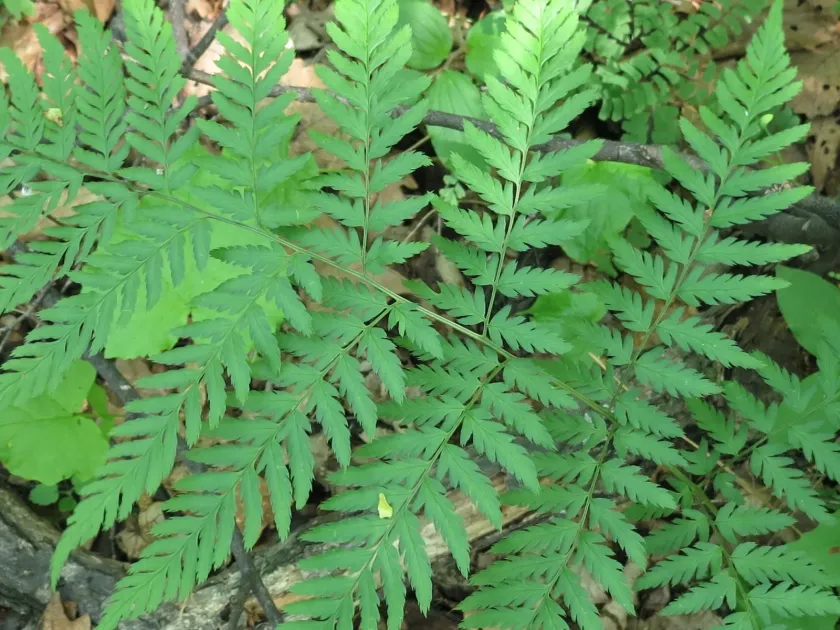
Description
Growing requirements
Goering's wood fern (Dryopteris goeringiana) is a perennial fern species belonging to the Dryopteridaceae family. It is native to East Asia, primarily thriving in the moist, forested regions of Japan and Korea, where it grows as an understory plant.
This species requires specific growing conditions to flourish, primarily focusing on shade and moisture. It performs best in nutrient-rich, well-draining soil that mimics forest floor conditions, typically preferring a slightly acidic to neutral pH balance.
Climatically, it is a hardy plant that prefers stable, moderate temperatures. Protection from harsh, drying winds and direct midday sunlight is essential to prevent the foliage from scorching and to maintain the plant's structural integrity.
Cultivation practices involve consistent soil moisture management, especially during the active growth period in spring and summer. Overwatering must be avoided, as stagnant water can lead to root system degradation and plant collapse.
In terms of usage, the plant is highly sought after for ornamental gardening. It is frequently employed in shady landscapes, woodland gardens, and borders due to its elegant, arching fronds that provide a sophisticated texture to any planting scheme.
Main diseases and pests
The primary threat to the health of the fern is root rot caused by improper irrigation. To mitigate this risk, it is essential to ensure that the soil remains moist but never saturated, providing adequate drainage for the root zone.
Slugs and snails are the most common pests, often targeting the tender young fiddleheads as they emerge in early spring. Integrated pest management strategies, such as physical barriers or environmentally friendly baits, are often used to protect the foliage.
Fungal leaf spot diseases can occur if there is insufficient air circulation around the plants. Pruning and providing proper spacing during the initial planting phase are vital steps to ensure good airflow and reduce pathogen spread.
Spider mites may occasionally infest the plant during periods of prolonged heat and low humidity. Regular misting and maintaining a humid microclimate around the fern are effective cultural controls against these pests.
Maintenance, such as removing damaged or dead fronds in late winter, helps prevent the accumulation of debris that might harbor fungal spores. Keeping the fern well-mulched with organic matter contributes to overall vigor and resistance against common threats.