
Dryopteris fuscipes
Dryopteris fuscipes
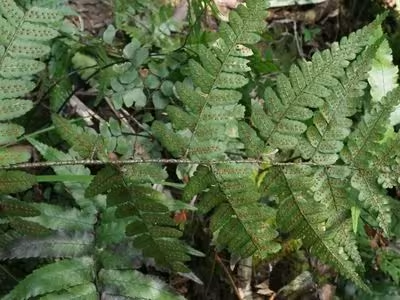
Description
Growing requirements
Dryopteris fuscipes is a perennial fern species belonging to the Dryopteridaceae family. Native to the temperate regions of East Asia, it thrives in woodland environments and mountainous slopes where high humidity and moderate temperatures prevail throughout the growing season.
The plant is characterized by its rhizomatous structure and elegant, bipinnate fronds with distinctive brownish stalks. This morphological trait provides a unique aesthetic contrast in shade garden designs, making it a desirable specimen for botanical collectors and landscaping professionals.
Cultivation requirements for this species focus on providing a stable, shaded environment. It performs best when shielded from direct, intense sunlight, which can cause dehydration and necrosis of the delicate frond tissue. Consistent light levels and protection from harsh winds are crucial.
Regarding soil preference, Dryopteris fuscipes requires a well-draining, humus-rich substrate with a slightly acidic to neutral pH. Incorporating organic matter, such as leaf mold or compost, is highly recommended to mimic its natural forest habitat and promote healthy root system development.
In terms of agricultural and horticultural use, this fern is primarily cultivated as an ornamental plant. It excels in shade borders, forest-style garden beds, and alongside water features, providing a lush, green texture that remains visually appealing during the active growth period.
Main diseases and pests
The primary biological threats to Dryopteris fuscipes include fungal pathogens associated with soil saturation. Prolonged periods of waterlogging around the root crown often lead to crown rot, which can be fatal to the plant if not detected and addressed early through improved drainage.
Spider mites represent a significant pest threat, especially during dry or hot weather conditions. These small pests colonize the underside of the fronds, leading to chlorosis and potential defoliation if left untreated by appropriate pest management practices.
Gastropods, particularly slugs, pose a major threat to the emerging fronds in early spring. The tender, uncurling fiddleheads are highly vulnerable, and significant damage can impair the plant’s ability to photosynthesize effectively for the remainder of the growing season.
Preventive care involves ensuring proper spacing between plants to facilitate airflow, which significantly reduces the risk of fungal infections. Monitoring the moisture levels in the soil is essential, as maintaining a balance is key to preventing both dehydration and water-related stress.
Sanitation practices, such as the removal of old, necrotic fronds at the end of the season, are recommended to reduce the overwintering sites for potential pests and pathogens. Selective application of targeted pesticides should only be considered when biological or physical controls are insufficient.