
Formosan wood fern
Dryopteris formosana
Description
Growing requirements
The Formosan wood fern (Dryopteris formosana) is a robust perennial plant belonging to the Dryopteridaceae family. Originating from the humid forests of East Asia, specifically Taiwan, this species has evolved to thrive in environments with consistent moisture and protection from harsh environmental stressors.
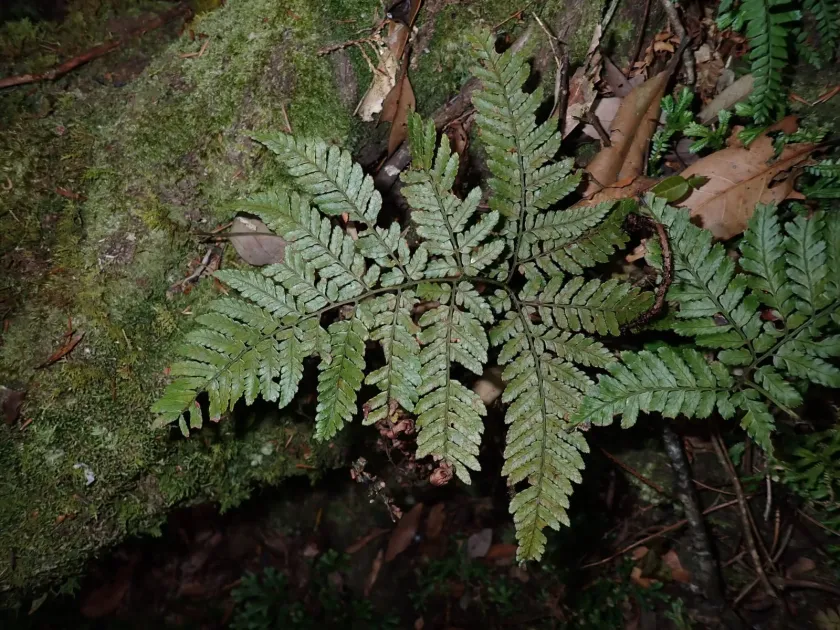
Botanically, this fern forms a graceful, arching rosette of fronds. The fronds are bipinnate to tripinnate, displaying a distinct deep green color throughout the growing season. The rhizome is strong and slowly creeping, which allows the plant to establish itself firmly in the garden bed over several years.
Cultivation of this species requires a shaded or semi-shaded location. In a garden setting, direct sunlight should be avoided at all costs, as the delicate structure of the fronds is highly susceptible to scorching. Placing the plant under the canopy of larger shrubs or trees mimics its native forest habitat.
Soil requirements focus on organic richness and excellent drainage. The ideal substrate is slightly acidic, loamy, and consistently moist. It is vital to ensure that while the soil remains damp, there is no standing water, as the roots require aeration to prevent physiological stress or decay.
This fern is highly regarded for its aesthetic value in landscape design. It is frequently used in woodland gardens, shaded rockeries, and as a structural element in perennial borders. Its year-round elegance and relatively low-maintenance nature make it a preferred choice for gardeners seeking to add texture and depth to shaded areas.
Main diseases and pests
The main pests that can threaten the vitality of the fern include scale insects and spider mites. These are particularly common in environments where air circulation is poor or where humidity levels drop significantly below the plant's needs.
Root rot represents a significant threat, usually caused by overwatering or poor drainage systems in the planting site. Regular monitoring of the soil moisture and ensuring proper soil permeability are the most effective strategies to prevent fungal outbreaks and maintain long-term health.